


Asbestos-related diseases
Get in touch for a no obligation, and completely free, consultation.
Asbestos-related diseases affect thousands of people and their loved ones every year. Diagnoses often occur decades after the initial exposure but you might still be able to make a claim.
Our expert asbestos solicitors at Leigh Day specialise in bringing claims on behalf of people who have been exposed to asbestos in many walks of life. They are experts at identifying where any exposure took place and getting the right level of compensation for those affected.
Talk to us today by calling freephone 0800 689 5854 or fill in our form for a no obligation, and completely free, consultation.
Newsletter and brochures
FAQs
White asbestos
Brown asbestos
Blue asbestos
- Lagging for insulating pipework and boilers
- Rope, string and paper
- Sprayed asbestos in buildings, ships and locomotive engines (Limpet)
- Building and partition fireproof sheets
- Corrugated roof sheets
- Ceiling and floor tiles
- Fire doors
- Gloves and aprons
- Fireproof suits and blankets
- Artex
- Gaskets
- Ironing boards
- Bunsen burner mats
2 minutes with the asbestos team
FAQs
Leigh Day acts for clients making claims for many types of asbestos diseases, on a No Win No Fee basis.
If you win your claim, you keep 100% of all compensation awarded. If you lose the case, we do not charge you for our work. We arrange insurance that will protect you from any costs.
It is difficult to give a precise estimate because every claim depends on the individual circumstances. However, in severe cases such as mesothelioma, Leigh Day can “fast track” claims through the High Court, which has a special system for dealing with urgent cases.
Leigh Day proceeds with all mesothelioma and urgent asbestos cases through the High Court’s fast track system. These cases can take six months or less from start to finish.
Solicitors put a lot of trust into witness statements to prove what happened in the past because there are rarely any documents evidencing events from several decades ago. The courts are usually quite accepting of the evidence given in witness statements. Most of our cases rest on the statements from the victim themselves, their friends, family and former workmates.
In an industrial disease case, there is a three-year limitation period to bring a legal claim. The three years typically start from the date of diagnosis for an asbestos-related disease. It may be earlier if you have already identified a connection between your symptoms and the cause.
Where somebody died as a result of an industrial disease, the three years typically runs from the date of death.
In all circumstances, it is advisable to seek legal advice as soon as possible on how to claim for asbestos exposure – particularly about any limitation dates for your claim. In certain circumstances, it is possible to ask the court to let your claim proceed even though it is over three years since you were diagnosed. Leigh Day has particular experience of bringing cases “out of time”.
Yes, claims are commonly brought by the spouse of the victim or the executors of the victim’s will.
Where doctors believe that a person has died from an industrial disease, a coroner’s inquest is a legal requirement. A pathologist will perform a post-mortem to determine the cause(s) of death. Once the post-mortem is completed, the inquest is opened and adjourned to allow for the release of the body.
We understand this news may come as a shock to family members, but this process should not delay the release of the body to the family for more than a few days. The inquest will then be re-opened at a later time to hear the evidence – such as statements from family and former work colleagues.
What happens after an inquest for industrial disease
Having considered the evidence, the court may make a finding of "death by industrial disease". If the family intends to pursue a claim for compensation – or is in the process of a claim – it can help their case if the finding of death by industrial disease is made out at the inquest.
Even if an employer that caused your exposure to asbestos has gone out of business, you can still bring a claim against their insurers where they can be identified. Alternatively, the company may continue to trade under a different name or have transferred its liabilities to another business, which you can act against instead.
Leigh Day has extensive experience investigating the corporate history of companies and successfully locating insurers. If you have mesothelioma and cannot trace your insurers, you may be able to claim under the Diffuse Mesothelioma Payment Scheme.
Yes. Leigh Day has acted for many foreign claimants from other countries – amongst other locations – such as:
- Australia
- New Zealand
- Malta
- America
- Canada
- Spain
- South Africa
We work with foreign lawyers to ensure that you have personal contact with a solicitor in your own country. This also helps us ensure that the case proceeds as quickly as it does for UK claimants.
Some industrial diseases mean that you are entitled to claim state benefits while also bringing a legal claim.
You may also be entitled to:
- Disability Living Allowance
- Constant Attendance Allowance
- Employment and Support Allowance
- Income Support/Universal Credit
We can assist clients with applying for specific benefits related to asbestos.
Many Leigh Day clients successfully apply for Industrial Injuries Disablement Benefit (IIDB). If you are diagnosed with an industrial disease, we recommend you make a claim immediately. IIDB can be backdated, but only for three months from the date of your application.
The Pneumoconiosis Fund
The Pneumoconiosis Fund is a fund set up to compensate people whose employers have gone out of business, which would otherwise make it harder to bring a legal claim for damages. This scheme is limited to a number of prescribed diseases such as asbestos-related diseases and silicosis.
Generally, these are conditions where a long time has elapsed between initial exposure to the triggering substance and the onset of illness. Asbestos victims can also receive payments under the Pneumoconiosis Workers Compensation Scheme.
Mesothelioma payments
Under Part 4 of the Child Maintenance and Other Payments Act 2008, anyone who diagnosed with mesothelioma is entitled to apply for a lump sum payment – not just those who were exposed in the workplace.
This means dependents of someone exposed to asbestos at work can also claim under this scheme – such as wives who washed asbestos-impregnated clothing.
Mesothelioma and Me
Discover more about our powerful campaign, 'Mesothelioma and Me', dedicated to spotlighting the devastating dangers and impact of asbestos.
Certain UK regions have a higher rate of asbestos-related diseases due to their heavy industrial histories. As these conditions can take many years to develop, you may have moved to a different area by the time of diagnosis.
Our specialist asbestos lawyers have represented people from all over the UK who have been exposed to asbestos and developed fatal diseases as a result. Wherever you or a loved one worked in the UK when you were exposed or received a diagnosis, our expert team can help with your claim for asbestos and mesothelioma compensation after death or during treatment.
Asbestos claims around the UK
What our clients say
Mesothelioma claims
For many people, and their families, a diagnosis of mesothelioma is an unwelcome introduction to a disease they may never have heard of and they will want to find out everything they can about the disease.
FAQs
Exposure to asbestos is thought to be responsible for over 90% of mesothelioma cases. It has been suggested that there may be other rare causes of mesothelioma but they are probably not fully understood at the moment. It is well established that mesothelioma is not caused by smoking tobacco.
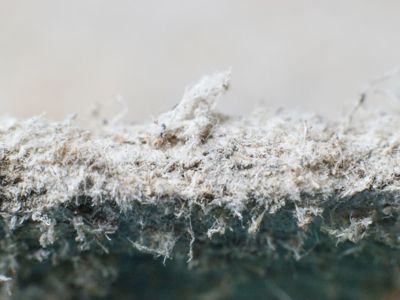
Asbestos is a fibrous mineral. When the tiny asbestos fibres become airborne then they can be inhaled and ingested. The fibres may remain dormant in the body for many years. It is thought that it usually takes between 30—40 years from when asbestos exposure took place for any symptoms to come to light although it can take more or less than 30-40 years in some cases. Asbestos fibres can cause genetic mutations to cells in the body that leads to the growth of cancer.
Mesothelioma is associated with occupational asbestos exposure and traditionally affects people who have worked in heavy industries such as shipbuilding, power stations and the construction industry. These are examples of cases that we have dealt with over the years from people from a diverse range of occupations and backgrounds.
However, mesothelioma can also be caused by very low levels of asbestos.
There have been reported cases of people contracting mesothelioma from contact with family members who worked with asbestos, through washing clothes contaminated with asbestos and by children playing around asbestos factories and areas where asbestos waste was dumped.
The two main types of mesothelioma are pleural mesothelioma and peritoneal mesothelioma. Rarely, mesothelioma can arise in other areas such as the pericardium (the lining around the heart) and the testicles.
Pleural mesothelioma
Pleural mesothelioma is the more common type of the disease. The pleura is a lining of the chest wall that consists of two layers called the visceral (inner) layer and the parietal (outer) layer. The space between the two layers is called the pleural space and contains a small amount of fluid that lubricates the two layers and allows them to slide comfortably over each other when we breathe in and out. A tumour can grow on the pleura which will form a solid coating around the lung and may cause breathing to become restricted and painful.
Peritoneal mesothelioma
Peritoneal mesothelioma is less common than pleural mesothelioma. The peritoneum is the lining of the abdomen which again consists of two layers and helps to protect organs. It produces fluid which helps the abdominal organs to move smoothly against each other as we move around.
Peritoneal mesothelioma causes the peritoneum to thicken and stop working properly. Because pleural mesothelioma is more common than peritoneal mesothelioma and can spread to the abdomen, it may be necessary to clarify whether or not pleural mesothelioma is the primary cancer.
Different cell types of mesothelioma
As well as mesothelioma being found in different parts of the body, there are different cell types of mesothelioma. These can be identified by looking at the cancerous cells under a microscope.
There are three different cell types of mesothelioma: epithelioid mesothelioma, sarcomatoid mesothelioma and biphasic mesothelioma.
Epithelioid mesothelioma is the most common type and tends to grow more slowly than the others, so may respond better to treatments. When viewed under a microscope the cells appear relatively uniform and are cube shaped.
Sacrcomatoid is less common than epithelioid mesothelioma and can be more aggressive. The cells are less uniform and oval in appearance.
Biphasic mesothelioma is a mixture of the two other types and contains both types of cells.
Mesothelioma predominantly occurs in the pleura (the lining of the lungs). In relation to pleural mesothelioma, often the first major sign that something may be wrong is when fluid builds up in the pleural space. This is known as a pleural effusion and the build up of fluid can restrict the ability of the lung to expand as you breathe and can cause breathlessness and chest pain. A pleural effusion may be found after a chest x-ray has been carried out.
A surgical procedure known as pleural drainage or aspiration may be carried out to drain away the fluid which will make it easier to breathe and may relieve chest pain. This often provides very rapid relief but sometimes the relief is only short-lived as the effusion can recur.
As the tumour progresses further symptoms may develop. These may include:
- A persistent cough or wheezing
- A hoarse voice
- Tiredness and fatigue
- Loss of appetite and weight loss
- Difficulty in swallowing food
- Nausea and vomiting
- Bloody sputum
- Unexplained fever and sweating
- Recurring chest infections
- Abdominal pain. This may be particularly associated with peritoneal (stomach) mesothelioma.
In the latter stages of the illness symptoms may progress, so it is important to seek medical advice to make sure that treatments are made available. Various treatments may be offered to help to treat and palliate the symptoms and make sure that the sufferer is kept as comfortable and free of pain as possible.
Initial stages
Visiting a GP
Your GP might refer you to a hospital for a chest x-ray or sometimes, directly to a specialist lung doctor (a respiratory physician).
Seeing specialist doctors at the hospital
X-rays
CT scans
The CT scan pictures will be looked at by a doctor called a radiologist who specialises in reporting on x-rays and scans. The radiologist will write a report and send this to the specialist doctor who originally asked for the scan to be carried out. Sometimes a CT scan will be used when a biopsy is carried out.
Ultrasound scan
MRI scan
PET scan
Pathology tests
Pleural or peritoneal fluid
Analysis of the fluid (known as cytology) may not always lead to the detection of mesothelioma cells and typically in the majority of cases, a biopsy will be carried out.
Biopsies
A biopsy with a scan/fluid drainage
However, mesothelioma can be a difficult illness to diagnose. It may be difficult for the pathologist to decide if the cells or tissue are a type of mesothelioma or not. The cells can look similar to other types of cancer such as lung cancer in the case of pleural mesothelioma. Therefore, it is often necessary for you to undergo a surgical biopsy.
Thoracoscopy/video assisted thoracoscopic surgery (VATS)
An ultrasound or CT scan may be used to position the needle correctly. The doctor will then take a sample from the pleura. This procedure may require a short stay in hospital for the patient.
Laparoscopy
The results
To assist in reaching a diagnosis hospitals have teams of experts called multi-disciplinary teams (MDT’s). They consist of specialist health professionals with different areas of expertise who regularly meet to discuss whether they believe the diagnosis is correct, the stage of the disease and possible treatments.
Staging mesothelioma
The system that is used in the UK for pleural mesothelioma is the International Mesothelioma Interest Group (IMIG) staging system with stage 4 being the most advanced stage and stage 1 the least advanced.
This will depend on a number of factors including your general fitness, any pre-existing health conditions, the type of mesothelioma and the stage your illness is at.
It is not the intention of this website to offer a comprehensive guide about available treatment options and this is something that should be discussed with your treating doctors. More information is available from the charity Mesothelioma UK, who we work closely with
This can vary based on your individual circumstances. Pleural effusions (build-up of fluid in the lung) are commonly drained to alleviate symptoms and doctors will attempt a procedure to insert surgical talc to try to prevent the build up of fluid.
It is common for those with mesothelioma to be treated with palliative chemotherapy in an effort to stabilise the disease. Radiotherapy and surgery may also be considered.
Some types of treatments may be offered as part of a clinical trial. The results of trials can help to improve treatment in the future, but their availability varies considerably. The most up to date information can be found on the Mesothelioma UK clinical trials page.
How can Leigh Day help fund treatment in the private sector?
As a result of research some “second line” treatments that have seen promising results in trials are available privately in the UK.
Immunotherapy is an emerging form of treatment for mesothelioma. Immunotherapy trials are ongoing and may be available. Alternatively, immunotherapy treatment can be provided in the private sector, although it be can extremely expensive.
Leigh Day are experts in bringing successful claims when compensation for the cost of immunotherapy has been recovered from defendants as part of successful claims.
They’ll listen to your case with a free consultation and assess the strength of your claim, advising you on the best next steps to take.
For asbestos claims after death, the three year period typically runs from the date of death.
In all circumstances, it’s advisable to seek legal advice as soon as possible. Sometimes it’s possible to ask the court to let your claim proceed despite the fact that it is over three years since you were diagnosed. Leigh Day has experience bringing cases ‘out of time’.
Mesothelioma and Me
Discover more about our powerful campaign, dedicated to spotlighting the devastating dangers and impact of asbestos.
Asbestos claims
Asbestosis is a chronic lung disease caused by prolonged asbestos exposure. It is a form of pneumoconiosis – a long-term disease of the lungs caused by the inhalation of asbestos fibres in dust. This can progress and lead to shortness of breath, serious health complications and even death.
FAQs
Asbestos exposure was particularly common in the 1950s through to the 1980s. During this period, asbestos was used in many construction products such as flooring, roofing, insulation, coatings and more. People who worked in construction, engineering, factories and those in the merchant navy were most at risk of exposure and developing the disease today.
- Construction workers
- Boiler maintenance
- Heating engineers
- Factory workers
- Shipyard workers
- Steel and textile mill workers
- Electricians
People with asbestosis are also at risk of developing further asbestos-related diseases. These have slightly different symptoms and include Mesothelioma, pleural thickening and lung cancer.
If a loved one has sadly passed away from the disease, they can also advise on whether you can claim for asbestosis compensation after their death.
They will act confidentially and advise you on the best next steps to pursue your claim.
If they think you have a good claim, they will gather supporting evidence to strengthen your asbestosis claim. This can include:
- Medical records and documents
- Contracts of employment
- Expert witness reports from medical professionals
- Photographs and documents related to the working environment
- Financial records
If you have not received an official asbestosis diagnosis, it is unlikely you will be able to start a claim. However, if a doctor or medical professional has told you that you have a respiratory illness caused by asbestos exposure, you could claim for another asbestos-related disease.
Employers have a duty of care to make sure their employees work in a safe environment and are provided with adequate protection where necessary. They hold a level of responsibility should any current, or former, employees develop an asbestos-related disease.
If your former employer is no longer around, we can work to find out where the responsibility now lies and bring claims against their historical insurer. In some cases, it could be the building owner who is responsible. Our expert team will advise you on who any asbestosis legal claims will be brought against.
You may also be able to claim compensation for:
- Out of pocket expenses – including reasonably incurred medical fees.
- Any loss of earnings – including loss of future salary and pensions.
- Care received – if you are unwell and need help and home adaptations.
- Travel expenses – to and from medical appointments.
- Loss of your services – if you are no longer able to do DIY, gardening and other types of domestic tasks.
Compensation levels for asbestosis claims vary considerably depending on the facts of each particular case. Each one is assessed individually and takes into account the level of pain and suffering caused, disabilities, the lifelong impact of the disease and its financial implications.
When you are diagnosed with asbestosis, you may be entitled to state benefits. You could be entitled to apply for a weekly payment called Industrial Injuries Disablement Benefit.
If this is awarded, you might also be entitled to receive a lump-sum payment from the government under the Pneumoconiosis etc. (Workers' Compensation) Act 1979 . Seek advice regarding your potential entitlements from our asbestosis team.
Pleural thickening claims
Pleural thickening is a benign or non-cancerous condition that can be caused by asbestos exposure. Sufferers often experience chest pains and breathlessness, sometimes leading to serious conditions such as mesothelioma.
FAQs
If the scarring becomes widespread and covers a large area, it can cause the pleura to thicken. This may make it difficult for the lungs to expand, which can cause breathlessness – known as diffuse pleural thickening . Pleural thickening can occur in one lung (unilateral) or both lungs (bilateral).
Diffuse pleural thickening is a different condition to pleural plaques, which are isolated and discrete areas of thickening. Doctors believe that pleural plaques only rarely cause symptoms.
If you have been diagnosed with the condition, then you may be able to bring a pleural thickening claim against the individual or organisation responsible for your asbestos exposure.
Our specialist team of personal injury solicitors will listen to you and advise on whether you have a claim and what to do
It is a latent disease – meaning it may take many years after the asbestos exposure took place for the symptoms to emerge. Typically, this can be at least 10 or 15 years after exposure, but often much longer.
Other causes of pleural thickening not caused by asbestos include:
- Types of medication
- Infections
- Tuberculosis
- Injuries from an accident
- Radiotherapy
- Some types of tumours
- Discomfort
- Chest pains
- Breathlessness
Symptoms may be more noticeable after physical exertion. The level of disability can vary, from being mild or moderate to severe and debilitating. The condition can remain stable but sometimes breathlessness and disability get worse over time.
To make a pleural thickening claim, you need a diagnosis from a doctor. If you experience any of the above symptoms and think you may be suffering from pleural thickening, arrange a doctor’s appointment first, before taking any further action.
The diagnosis is usually made following a chest x-ray or CT scan. Treating doctors may arrange for follow-up appointments to check the condition does not progress. Sometimes, respiratory physiotherapy may be offered, depending on the circumstances.
If you are diagnosed with diffuse pleural thickening, you should seek legal advice about bringing a pleural thickening compensation claim.
Employers owe a duty of care to provide a safe working environment and may be legally at fault if they exposed you to asbestos.
If you have been exposed to asbestos and developed pleural thickening you may be able to bring a claim. Generally, those working in construction are more likely to be exposed to asbestos and develop the condition. These professions include:
- Boilermakers
- Builders
- Carpenters
- Electricians
- Pipe fitters
- Plumbers
It is important to instruct specialist pleural thickening solicitors experienced in acting for asbestos sufferers. Arrange a free initial consultation with one of our team to discuss your claim.
We may need to gather supporting evidence, such as:
- Medical records and documents
- Witness statements from colleagues and medical professionals
- Photographs of your working environment
- Financial records
There are time limits for bringing claims for personal injury, such as pleural thickening. Therefore, it is important to seek legal advice as soon as possible.
Insurance companies brought a test case to stop claims for pleural plaques and following a court decision in 2007, it is no longer possible to recover compensation for this condition.
If you have pleural thickening, then there is a risk you may develop another type of asbestos disease. Therefore, you can choose to settle your claim on a provisional basis.
This means you preserve the right to come back and apply for more compensation if you develop another asbestos related illness.
If your claim is successful, you will recover compensation for the impact the illness has on your lifestyle and the physical effects it causes you. This is known as damages for pain, suffering and loss of amenity.
You may also be able to claim for any:
- Out of pocket expenses – travel costs, accommodation, admin.
- Loss of earnings – whether for a temporary or permanent period of time off work.
- Care – including treatment, rehabilitation and therapy sessions, alongside equipment or home adaptations to support your recovery.
If you are no longer able to do DIY, gardening and other types of domestic tasks, then you can claim for loss of your services.
Levels of pleural thickening compensation awarded varies considerably depending on the facts of each particular case.

Supporting Pneumoconiosis and Silicosis sufferers across the UK

Lawyers representing growing number of engineered stone workers with silicosis say tougher safety measures are urgently needed
Lawyers at Leigh Day, who represent a growing number of workers diagnosed with silicosis after manufacturing engineered stone kitchen worktops, say tougher safety measures are urgently needed to stop the rise in the deadly disease.
Mesothelioma claims
For many people, and their families, a diagnosis of mesothelioma is an unwelcome introduction to a disease they may never have heard of and they will want to find out everything they can about the disease.
Recent asbestos settlements
Location: Newcastle
Compensation: Six-figure settlement
A six-figure settlement has been secured on behalf of woman whose husband died aged 80 from mesothelioma following his exposure to asbestos during the early 1970s while working as a painter and decorator in Newcastle.
Compensation: £685,000
A six-figure settlement has been secured on behalf of the family of a paper mill worker who died from asbestos-related cancer mesothelioma.
Location: County Durham
Compensation: Substantial settlement
A man has received a substantial financial settlement after a court found he was exposed to asbestos by one of Britain’s largest manufacturers, Imperial Chemical Industries.
Location: Rochester, Frindsbury and Sittingbourne
Compensation: Six-figure settlement
A woman has received a six-figure settlement following the death of her husband, Michael, just two months after a fatal mesothelioma diagnosis
Location: Chatham Docks
Compensation: Six-figure settlement
A family has received a settlement following the death of a former lagger who worked at Chatham Docks for the Ministry of Defence.
Location: Westminster Council
Compensation: £225,000
A widow whose husband died from mesothelioma has settled a claim against Westminster Council after evidence came to light which supported her case.
Location: Daventry High Street
Compensation: Substantial
A settlement has been secured on behalf of a sales assistant who was exposed to asbestos whilst working at 25 High Street, Daventry, Northamptonshire between 1973/74 to 1978/79.
Location: J&J Gaffey in Salford
Compensation: £200,000
A man who came into contact with lethal asbestos over just six months working as a plumbers’ merchant labourer has secured a substantial settlement after he developed mesothelioma, a fatal cancer caused by asbestos, in retirement.
Locations: Merchant Navy
Compensation: substantial
Following the asbestos-related death of former merchant navy seaman Anthony Brown, his family have been able to receive compensation from representatives of his former employers.
Location: E.B.C. & Sleeman Limited, Devon
Compensation: substantial
A Birmingham man who believes he was exposed to asbestos for just two weeks in Devon in the mid 1960s has secured compensation following a forensic investigation to trace the company he believed was responsible.
Location: British Rail, Ebbw Junction, Wales
Compensation: £1 million
The widow of Andrew Godwin was awarded almost £1 million after her husband died of cancer caused by childhood contact with asbestos on the clothing of his father, a former British Rail worker.
Location: McLaughlin & Harvey, W & C French and Hitchins & Co across London, including the Barbican Arts Centre
Compensation: £125,000
The family of retired building labourer Thomas Brown received compensation following his death from mesothelioma.
Location: HM Dockyard in Chatham, Kent
Compensation: 6-figure sum
A settlement has been secured for the family of a former dockworker who died after contracting the asbestos-related cancer, mesothelioma.
Location: Imperial Chemical Industries Limited, Harrogate
Compensation: Substantial
A former Harrogate factory worker at Imperial Chemical Industries Limited received a substantial sum from the company due to his exposure asbestos while working there throughout the 1960s and 70s, which led to him being diagnosed with mesothelioma.
Groundbreaking legal cases
Dring v Cape 2019
Data Protection Act 2019
K2 Intelligence
Human rights and asbestos
As well as helping you to bring a claim for compensation if you have been exposed to asbestos, the legal team at Leigh Day works closely with asbestos support groups and charities including the Asbestos Victims Support Groups Forum UK who represent all support groups in the UK. This includes looking at the human rights aspects of mesothelioma and asbestos disease claims, an aspect of our work that we believe is unique amongst law firms.
We believe that these cases have helped to preserve the rights of people suffering with asbestos-related diseases and will continue to protect future claimants for many years.
See how we have helped others
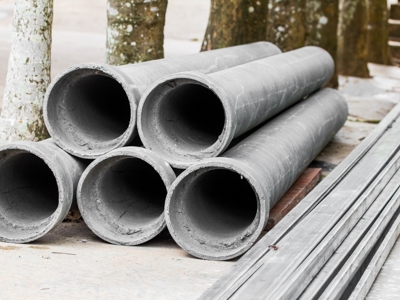
Family of former lagger at Chatham Docks receives compensation for asbestos cancer
The family of a former lagger, who was exposed to asbestos when working at Chatham Docks, has received a settlement after he died from mesothelioma.
Family of Kent carpenter win asbestos cancer settlement against Medway Council
The family of a carpenter in Kent who died from mesothelioma, a cancer caused by asbestos, have been granted a settlement in their claim against Medway Council.
Wife of carpenter who suffered asbestos exposure after working on a North London farmhouse wins settlement
A six-figure settlement has been agreed for a woman whose husband passed away following his exposure to asbestos in the late 1990s while working as a supervisor on a farmhouse refurbishment in North London.
Our asbestos-related diseases team
Daniel Easton
Partner
Joint head of the firm's asbestos and industrial diseases team and acknowledged as a leader in this field
Harminder Bains
Partner
Joint head of the asbestos and industrial diseases department, internationally renowned for her role fighting for victims of asbestos.
Vijay Ganapathy
Partner
Vijay is a partner who specialises in industrial disease and complex injury cases.
Kevin Johnson
Partner
Kevin is a leading Liverpool, Cheshire and North West mesothelioma claims lawyer and the head of the Liverpool office
Ewan Tant
Partner
Ewan specialises in asbestos-related disease claims, as well as silicosis claims, particularly those involving engineered stone
Andrew Cooper
Senior associate solicitor
Andrew Cooper is a senior associate solicitor in the industrial disease team.
Catriona Ratcliffe
Senior associate solicitor
Senior associate solicitor in the personal injury department specialising in industrial disease claims
Heetasha Khosla
Associate solicitor
Heetasha Khosla is an associate solicitor in the industrial diseases team.