

Walker Syachalinga
Associate solicitor
Walker is an associate solicitor in the international and group litigation department
Walker is an associate solicitor in Leigh Day’s international and group litigation department, specialising in human rights, environmental damage, and corporate accountability claims against multinational corporations and state actors.
Legal expertise
International Corporate Accountability & Environmental Litigation
Walker acts for communities harmed by the environmental and human rights impacts of the activities of multinational corporations in extractive industries.
- Alame v Shell plc – Currently assisting on claims against Shell plc in respect of oil spills in the Ogale and Bille Communities in the Niger Delta. The case is listed for a liability trial in May 2027.
- Various Claimants v First Quantum Minerals – acting on behalf of farming and fishing communities in Zambia resettled by First Quantum Minerals’ copper mining operations.
- OECD National Contact Point complaint – acting on behalf of communities in the Democratic Republic of Congo resettled to make way for the expansion of gold mining.
- Vedanta v Lungowe – assisted in a claim involving over 2,500 Zambian farmers who alleged that their land and livelihood was been destroyed by pollution emanating from copper mining activity.
- Claims against Amerisur Resources Ltd by Colombia campesinos – assisted in environmental contamination claims brought by Colombian farmers against oil company Amerisur Resources, securing a £3 million freezing injunction ahead of trial.
- Lead poisoning claims against Anglo American – assisted in claims arising from mining operations in Kabwe, Zambia.
UK Group Litigation & Vehicle Emissions
Walker has a longstanding role in the Pan NOx Emissions Litigation — named one of The Lawyer’s Top 20 cases of 2025 — acting in the five lead cases and on behalf of 1.6 million vehicle owners in claims against Peugeot, Citroën, DS and other manufacturers over alleged emissions cheat devices. He has assisted across numerous High Court hearings throughout this complex multi-party litigation, including during the 10-week liability trial in 2025/26 and during preparations for the quantum trial listed for October 2026.
Historic and human rights claims against state actors
Walker investigates reparations claims arising from the present-day impact of the Trans-Atlantic Slave Trade, having contributed to the APPG on Race and Community’s report on historic injustices and climate change (2025), and appeared on a panel at the House of Commons (2023) discussing the legal basis for reparations. He has also assisted on cases involving political dissidents targeted with foreign spyware by state actors, including proceedings under the State Immunity Act 1978 in Shehabi v Kingdom of Bahrain.
Further experience
Before joining Leigh Day, Walker worked in legal publishing as a research consultant and technical editor. He holds an LLM in International Law from UCL and was called to the Bar at Lincoln’s Inn before cross-qualifying as a solicitor.
Publications
- Earth Island Journal: The Rising Costs of Zambia’s Copper Boom 09.12.25
- The Legal 500 Future Lawyer’s Podcast: Brief Encounters: Walker Syach… - Legal 500: Brief Encounters - Apple Podcasts 27.05.25
- APPG Race and Community: A vision for climate justice: Tackling the climate and nature emergency and global systemic racism 15.05.25
- The Guardian: Most Britons do not know scale of UK's involvement in slavery, survey finds 25.03.25
- New Law Journal: Personal injury in the spotlight NLJ 28.1.22
- Journal of Personal Injury Law: Righting Historical Wrongs at Court: Lessons from Litigation against the British Government J.P.I. Law 2022, 2, 78-8
News and blogs

Zambia’s toxic spill: settlement agreements in the aftermath of environmental disasters
Leigh Day solicitor Walker Syachalinga examines the use of settlement agreements following a major toxic spill at a Zambian mine and the implications they may have for access to justice for affected communities.
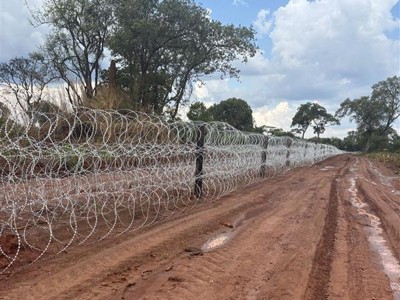
Communities living near Zambian copper mines take legal action against mining giant First Quantum Minerals over alleged involuntary resettlement of thousands of people
Villagers from farming and fishing communities in Zambia are taking legal action against Canadian mining company First Quantum Minerals (FQM) claiming the company effectively forced them to leave their villages and resettle in areas where they face severe hardship and poverty.
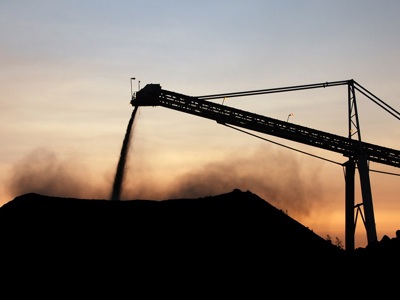
Human rights and the ‘just transition’ in the new scramble for Africa
Walker Syachalinga examines how indigenous people’s rights and land can be protected in the race for Africa’s critical minerals.