Inquest into death of 19-year-old student Arthur Soames finds that Gambling Disorder and failings in mental health care contributed to his death
An inquest has concluded that 19-year-old student Arthur Soames from west London took his own life due to mental health distress exacerbated by gambling.
Posted on 18 March 2026
Concluding the inquest into Arthur's death at West London Coroner’s Court on Tuesday 17 March, HM Assistant Coroner Ian Arrow found that the risk of harm which was posed to Arthur by his gambling was not identified by the operator Arthur gambled with and that mental health services did not identify an increased risk of self-harm in the period prior to his death.

The Coroner found that Arthur had a Gambling Disorder and that this contributed to his death, exacerbating the distress caused to Arthur by anxiety and depression.
The inquest is the fifth since 2022 to record the contribution of gambling to a death, as concern grows amongst families and campaigners over the links between gambling and suicide and the dangers posed by gambling products and operators’ practices.
The seven-day hearing at West London Coroner’s Court heard evidence about Arthur’s gambling with the operator Bet365 and about the mental health care provided to Arthur by West London NHS Trust mental health services in the period leading up to his death on 22 May 2022.
Arthur, a first year university student, was described by his family at the hearing as “a ray of sunshine”. He had a passion for sport, representing his school at a high level at tennis and squash. Arthur loved skateboarding and music - playing the guitar and drums. Arthur also loved the outdoors and helping others, joining the Army Cadets, taking part in charity hikes and coaching tennis to local children.
Arthur opened an account with Bet365 soon after his 18th birthday in June 2020 and began placing occasional small bets on football matches. In December 2021, Arthur began playing online casino games, including roulette and blackjack, which research has shown are highly addictive. In the following two months, the amount of time and money which Arthur spent gambling increased sharply. His gambling sessions became longer, often taking place in the early hours of the morning, which is a recognised indicator of gambling harm.
Throughout Arthur’s gambling, Bet365 sent Arthur over 80 marketing messages, often including free bet offers. The only intervention by the operator in Arthur’s gambling was a single automated warning e-mail sent to him on 4 February 2022 in relation to the time he was spending on the Bet365 platform. The inquest heard expert evidence that Bet365 should have identified the indicators of harm in Arthur’s gambling and taken earlier and stronger steps to intervene.
At the same time as Arthur’s gambling increased in late 2021, his mental health became very quickly and significantly worse. Arthur’s family were very worried about him but did not know what was causing his problems and thought he may just be going through a difficult period. Arthur did not discuss the fact he was gambling with his family.
In April 2022, Arthur returned to his family home from university, so that his family could support him and help him to access mental health care. Arthur attended some sessions with a private psychologist and sought help from his GP for his escalating suicidal thoughts. Arthur’s GP did not make a referral for further help, but his family took him to West London NHS Trust’s Crisis Team who took over Arthur’s mental health care.
In the following weeks, Arthur was assessed by both the Crisis Team and the Early Intervention in Psychosis Service. The inquest heard evidence that information about Arthur’s suicide risk was not communicated between the two services and that Arthur’s risk assessment and risk management plan were not adequately updated to reflect his increasing level of risk of self-harm in the period leading up to his death.
In the days before Arthur died, he resumed gambling intensively with Bet365, spending hours on online casino games. On the day before Arthur’s death, at the end of a one-hour session of gambling, he lost over £150 in a period of approximately five minutes. This session left his Bet365 and bank accounts nearly empty.
The inquest began on Monday 9 March and heard evidence over seven days from Arthur's family, Bet365, West London NHS Trust, Arthur’s GP and the London Ambulance Service. The evidence included:
-
Expert evidence from Dr John Barker (a consultant psychiatrist) that Arthur had a Gambling Disorder and depression and that these mental health conditions contributed to Arthur’s death.
-
Expert evidence from Professor David Forrest that Bet365 failed to intervene adequately in Arthur’s gambling in the period from December 2021 to February 2022, when Arthur’s gambling behaviour showed numerous strong indicators of harm, and that further intervention should have been carried out in May 2022 if Arthur had been flagged in the earlier period as being at risk of harm, as he should have been.
-
Expert evidence from Dr Barker that there was a missed opportunity by West London NHS Trust mental health services to refer Arthur for specialist gambling-related support and treatment when he disclosed, shortly before his death, that he was spending substantial amounts of time and money gambling.
-
Evidence that the Gambling Commission investigated Bet365’s handling of Arthur’s account and identified compliance concerns, including that Bet365 did not intervene in Arthur’s gambling prior to the automated e-mail sent to Arthur on 4 February 2022, despite a number of indicators of harm being present in Arthur’s gambling behaviour from December 2021 onwards. The Gambling Commission concluded its investigation of Arthur’s account in June 2025 but did not share its findings either with Bet365 or with Arthur’s family.
The Coroner indicated that he anticipated addressing a Prevention of Future Deaths report to the Gambling Commission but that he would make a final decision about Prevention of Future Deaths matters at a later date. Arthur’s family were represented at the inquest by Merry Varney and Dan Webster with Helena Hart-Watson from law firm Leigh Day and counsel Jesse Nicholls of Matrix Chambers. The family have been supported since Arthur’s death by the charity Gambling with Lives.
Following the conclusion, Arthur’s mother Isabelle Soames said:
“Arthur was a ray of sunshine in the lives of our family, and he leaves behind an enormous and irreplaceable void in all our lives. Arthur had a wonderful sense of humour, a playful spirit, and achieved an extraordinary amount in his short life. He filled our world with love, humour, warmth, charm, kindness, and his unforgettable smile for 19 precious years - and he will be forever in our hearts.
“Very sadly, Arthur struggled with his mental health in the last six months of his life and, unbeknownst to us, was living with an undiagnosed gambling disorder.
“We were devastated to learn at the inquest that the mental health team in charge of Arthur’s care were aware that he was at such a high risk of suicide. However, they failed to share this potentially life-saving information with us so we could take more steps to help and protect him.
“It is our firm belief that the serious harm caused by his gambling led to Arthur tragically ending his life. We also believe that Bet365 failed to recognise the intensity of his gambling on online casino games and failed to take any meaningful action to intervene or regulate it.
“We are now calling on the Gambling Commission to introduce greater protection, particularly for young people and to prevent gambling operators from offering them free bets or cross-selling them highly addictive casino products.
“We believe the Commission should require operators to have a tailored risk detection system for Arthur’s age group, focusing more on frequency of bets, length of sessions spent gambling and time of day when gambling is taking place, with night-time gambling being a high risk indicator – as opposed to amounts of money lost. We believe that only by introducing such protections can more young lives like Arthur’s be prevented from being tragically lost.”
The family’s solicitor, Dan Webster from Leigh Day said:
“The evidence heard at Arthur’s inquest raises serious concerns about the harm which gambling can cause, about Bet365’s conduct and about a lack of understanding of gambling harm among healthcare professionals.
"Arthur’s gambling with Bet365 showed a number of significant indicators of harm which the inquest heard should have been identified and should have led to further interaction and intervention in Arthur’s gambling. Arthur’s family are highly concerned, based on the position taken by Bet365 at the inquest, that it has failed to learn any lessons from Arthur’s case and that an individual who repeats Arthur’s gambling behaviour today would not receive any greater level of intervention.
“The apparent lack of reflection and lesson learning by Bet365 has been facilitated by the Gambling Commission, given its failure to communicate its findings about failings in the handling of Arthur’s account to Bet365, to Arthur’s family or to anyone else. Not for the first time, this gives rise to serious questions about the Commission’s fitness for purpose as a regulator tasked with protecting the public from gambling harm and with investigating operators’ conduct in these most serious cases.
“In the period leading up to Arthur’s death, he sought support from his GP and from mental health services. The inquest heard that no screening questions about gambling were asked at any stage. When Arthur disclosed to mental health services, just days before he died, that he was spending large amounts of time and money gambling, no action was taken to update Arthur’s risk assessment or care plan or to consider referring Arthur for gambling-related treatment. Arthur’s family believe it is vital that healthcare professionals receive appropriate training and guidance to ensure that signs of gambling harm can be identified and acted upon.
“Arthur’s family were also shocked to learn during the course of the inquest about the extent of information which mental health services had about Arthur’s level of risk of suicide in the period leading up to his death and the inadequate steps taken by mental health services to manage those risks and to share information with Arthur’s family. They believe it is vital that information about risk of suicide is shared with family members where appropriate, so that they can take additional steps to support their loved one and protect them from harm.”

Merry Varney
Merry is a partner in the human rights department and head of the Leigh Day inquest group
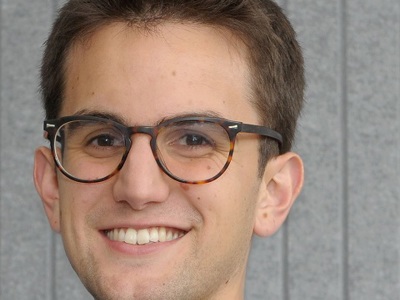
Dan Webster
Dan is an associate solicitor in the human rights department