

Jury finds “unsatisfactory, uncoordinated” search led to delayed discovery following inquest into death of Grant Nicholas Lowry
An inquest into the death of Grant Nicholas Lowry, who was found on 3 June 2022, heard of a litany of missed opportunities and failures during a 30-hour multi-agency search in which the vital first ‘golden hour’ to find a missing person was wasted.
Posted on 27 March 2026
A jury reached a conclusion of “suicide whilst the balance of his mind was disturbed in the context of a mental illness”. Grant, from Hartlepool, was found dead after the lengthy search by Cleveland Police, National Police Air Service (NPAS) and Mountain Rescue Teams (MRT).
It was accepted in evidence that the first ‘golden hour’ search window for a missing person was missed due to delays in engaging a Police Search Advisor (PoLSA). The PoLSA's role is to shape the search and investigation for a missing person. An absence of a structured search methodology led to a failure to record information and to complete heat source searches. A heat source was not searched properly after an officer advised that bushes were too thick.
An eight-day hearing at Teesside and Hartlepool Corner’s Court considered evidence from the family, Tees, Esk and Wear Valleys NHS Foundation Trust (TEVW) Cleveland Police, NPAS, MRT and other bodies.
Grant’s mother, Jill Jemmerson, described Grant as an amazing son, brother, grandson, nephew, friend and most importantly, his daughter’s father. She told the Court how the “pain and heartbreak” of losing Grant had taken its toll on all of them.

Grant experienced mental health concerns and ADHD for some time and was later diagnosed with anxiety and depression. He had previously overdosed on medication and in January 2022, was referred to the Adult Affective Disorder Team (AADT) which operated under TEWV. In April 2022 Grant said he was experiencing suicidal thoughts. The inquest heard how a follow up appointment over the phone, conducted by a trainee nursing associate, was not conducted properly.
Grant’s mother gave evidence that she called the AADT and the Teesside Crisis Team in May 2022 to report concerns about Grant’s mental health. TEWV did not record these calls, and they were not followed up. The court was told TEWV processes have since changed as part of clinical improvements within TEWV.
On Wednesday, 1 June 2022 at 8.40pm Grant sent his mother a text indicating an intention to end his life. Police were alerted ten minutes later and officers were quickly dispatched.
However, the risk to Grant was originally assessed as ‘medium’, and because of a heavy workload, there was a delay to grading Grant as a ‘high’ risk missing person.
Due to an error in rota management, there was no police search advisor available to co-ordinate the search for Grant initially. A search advisor only became available at 1.30am the next day, by which time there had been further missed opportunities. These included the early use of mountain rescue and police dogs and a the opportunity to send officers back to search a incomplete heat sources in Summer Hill Park.
An expert witness told the court that the lack of engagement from a police search advisor led to a delay in locating Grant’s body.
Cleveland Police accepted in evidence that there were gaps in their electronic activity logs and heat source areas were not checked because of the lack of recording information.
A temporary Chief Inspector told the inquest that the failure to record the heat spot search in the activity log resulted in no further searches of the area. Had they known about the heat source, they would have involved fire and rescue services alongside Mountain Rescue, which may have changed the course of the search for Grant.
Almost four years on from Grant’s death, his family continue to remember him as loving, kind, and generous to his core.
Following their consideration of the evidence, the jury found that:
Grant had a diagnosis of ADHD, anxiety and depression which contributed to the circumstances surrounding his death. Non-prescription drugs may have also contributed and affected his behaviour. He was known to mental health services where there were missed opportunities to provide further input into Grant’s mental health.
And that there was, ‘an unsatisfactory, uncoordinated search with missed opportunities and incomplete records that delayed the discovery of Grant’.
At the conclusion, the Coroner identified learning concerns with TEWV relating to the need to remind staff members to check concerns to life upon medication reviews.
The learning and recommendations highlighted to Cleveland Police raised during this Inquest will form part of Grant’s legacy.
The Coroner went on to state she was under a mandatory obligation to issue to the Chief Constable of Cleveland Police a Prevention of Future Death report expressing ongoing concerns around communication, resources and equipment.
Grant’s family is represented by partner Leanne Devine, alongside trainee solicitors Ted Richards and Myfanwy Worman, from law firm Leigh Day. Barrister Hamish McCallum, Garden Court Chambers., was instructed.
Jill Jemmerson said:
“The pain and heartbreak of losing Grant has taken its toll on us all so badly. We talk about him every single day. A piece of us is missing. We will never get over that
heartbreak of not finding him on that Wednesday night and bringing him home to be supported within the family.
“We welcome the jury’s findings on how and in what circumstances Grant came by his death. We are grateful to the Senior Coroner, the jury and all of the people involved in searching for Grant. Our lives have been changed forever and the answers we have at the end of this process will never bring Grant back into our lives.
“In his final text, Grant told us where he was going, packed his bag, and made sure he was seen. Our beautiful Granty, we are so sorry you weren’t found in time. We are not better off without you. Grant will forever be in the hearts of those that love him.”
Leigh Day partner Leanne Devine said:
“This inquest has raised important questions around the resourcing and communication involved in a missing person search. Grant was let down by organisations in charge of his safety, including mental health professionals and police officers.
“The Coroner’s summary and concluding comments were encouraging and we look forward to hearing the response to the prevention of Future Deaths report from Cleveland Police. This inquest has repeatedly highlighted the missed opportunities and safety concerns around communication, resourcing and equipment. We welcome proactive steps towards ensuring that no other family has to go through what Grant’s family have lived with.
“We echo the Coroner’s gratitude to the jury, as well as the commitment of Grant’s family and the dignity with which they have conducted themselves throughout not just his inquest, but the entire investigation into Grant’s death.
“We share the Coroner’s concern about the issues of late and incomplete provision of documentation throughout the investigation and inquest, which has been a source of frustration and concern to Grant’s family. This highlights the importance of placing a statutory duty on the police and public authorities to actively assist and engage in inquests where the state is involved in a person’s death through the proposed Hillsborough Law.
“It has been a privilege to represent Grant’s family at his inquest, and we pay tribute to their tenacity, resilience and dignity in the face of their grief.”
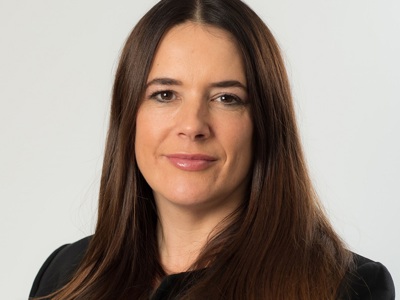
Leanne Devine
Leanne is a partner in the human rights department

Inquests
Our specialist inquest lawyers can offer support and guidance

Human rights
If you believe your human rights have been denied our human rights and civil liberties team is one of the leading teams of practitioners in this specialist area in the country.