

Building ban delaying 2,000 new homes has “significantly damaged” town
A building ban in place since 2019 in North Herefordshire due to river pollution has seen plans for around 2,000 new houses put on hold in the town of Leominster, which has a population of 12,000 people.
Posted on 14 April 2026
In a statement to lawyers bringing a legal claim over river pollution, the local council, who stood firmly with the residents and businesses of their town, says the ban on construction and development has “significantly damaged” the area.
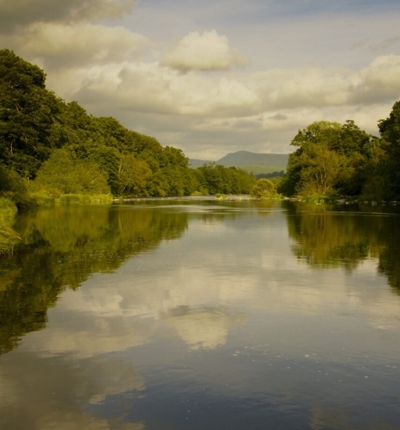
Known as the Lugg Moratorium, the restriction was put in place due to concerns over high nutrient levels in the Lugg catchment area, which have led to environmental issues with the river.
It is estimated that the moratorium has resulted in thousands of new homes being delayed or scrapped, despite new house building believed to contribute only fractionally to high nutrient levels. According to Leominster Town Council, the six-year blockage on building has had a "significant impact on the town and surrounding villages”.
Leigh Day is bringing a legal claim on behalf of more than 4,000 people who argue that the high nutrient levels have instead been largely caused by chicken waste from industrial poultry farming, along with sewage discharges.
The Lugg Moratorium was put in place by Herefordshire County Council in October 2019. It said it was required to do so to comply with nutrient management regulations.
In 2021, Herefordshire County Council reported in a letter to DEFRA that 66% of nutrient pollution in the area was attributable to agriculture, and that new house building contributed to less than one per cent. The county council labelled the moratorium as “disproportionate and demonstrably unfair” on developers.
Leominster Town Council has also highlighted issues with the building ban, in a statement shared with Leigh Day. The council estimates that the moratorium has disrupted the construction of around 2,000 new houses in the town, leaving it with “insufficient good quality social or affordable housing for residents”.
It says that the town has been “significantly damaged” by the moratorium, and that the council has lost out on revenues which could have been used to support residents.
In its statement shared with Leigh Day, Leominster Town Council said:
“The building moratorium on new build houses and housing development placed on North Herefordshire by Herefordshire Council in October 2019 has had a significant impact on the town and surrounding villages.
“There are 4 sites identified around Leominster which were, at the time of the introduction of the moratorium, all in the process of planning applications and combined could have built just under 2,000 new houses for the town.
“The housing stock in Leominster is either historic with the attendant problems or poor-quality modern builds. There is insufficient good quality social or affordable housing for the residents.
“The economic damage to our town by the moratorium has been huge in the lost opportunities for businesses in the town in the building and other commercial sectors and the revival of the town centre.
“Some people will tell you of their inability to expand their business because they could not find employees within the town; some will talk of family members having to move away rather than stay to work in the family business.
“However, possibly the most distressing effect has been on individuals in the community who have been unable to find a house and so either have to continue to live in unsuitable housing or remain with family members long past the stage where they needed their independence.
“Leominster town has been significantly damaged by this moratorium and Leominster Town Council has lost revenues to support the town’s people as well as it might have done had these developments gone ahead six years ago.”
Leigh Day also represents people impacted by the Lugg Moratorium, such as Jane Coyle. Jane and her husband Anthony’s plan to self-build a home on a plot of land in Leominster has been delayed by around six years due to the moratorium.
While waiting for planning approval, Jane and Anthony have been stuck living in a converted shed, which had only been intended as temporary accommodation while they constructed the house.
Planning approval was eventually granted in 2025, but costs for the project have increased due to inflation, added legal fees and the requirement to pay into a phosphates credit system.
The phosphate credits system, introduced in 2022, means developers can buy credits from the council to mitigate the effects of the additional phosphorous added by a development.
Jane Coyle said:
“We have been planning the self-build of our forever home since 2018, when we moved onto our self-build plot living in a static caravan, which was only ever meant to be a temporary solution. But by the time we had submitted our planning application, without any warning or notification, the Lugg Moratorium had started and has since caused years of delay. There was no warning or indication to any self-builders or developers in our area that this moratorium was coming into force. We spent endless hours emailing and phoning to try and get an understanding of why we had no notification on our planning submission.
“In this time, costs have racked up by tens of thousands, with the price of building materials increasing along with the added cost of legal fees, the requirement to fulfil a Section 106 (involving a lengthy procedure and a large financial outlay), and the mandatory credit purchase which we are required to pay before we can begin our build. Seven years after moving onto the site in what was only meant to be a temporary home, we finally received our planning permission with conditions.
“But this has been at the cost of so much money and time. We are in our 60s, and Anthony now has serious health issues which are of huge concern given our current living conditions and plans to self-build."
The legal claim brought by Leigh Day alleges that Avara Foods is responsible for pollution stemming from its poultry operations in the Lugg catchment area. It is alleged that this pollution has been caused by run-off from chicken manure leeching into the river and surrounding area, causing high levels of phosphorous which has resulted in in ecologically damaging algal blooms.
Water company Welsh Water, which manages the sewerage system in the Lugg catchment area, is also listed as a defendant on the claim. It is argued that sewage discharges from the companies’ operations have also materially contributed to the pollution.
Leigh Day partner Oliver Holland, who leads the claim, said:
“One of the results of pollution in the Wye and Lugg catchment areas has been the Lugg Moratorium, which has had a severe impact on the local area. The block on house building, stemming from the pollution, appears to have resulted in a tangible financial loss for both the local authority and residents, as well as inconvenience and sometimes severe distress for some who have been left in difficult financial situations or unable to develop their homes. Communities of Leominster and other towns in catchment are bearing really significant costs as a result of this pollution.
“The concerns of people impacted by the Lugg Moratorium are something we echo, and with the legal claim we will look to hold those allegedly responsible to account.”

Oliver Holland
Oliver is a partner in Leigh Day's international and environment teams. Oliver's practice covers environmental harm, human rights, modern slavery & consumer litigation, including expertise in conflict of law issues & cross-border disputes.

Celine O’Donovan

Wye pollution legal claim filed at High Court
A legal claim which almost 4,000 people have joined, challenging river pollution in the Wye and Usk catchment areas, has been filed at the High Court.