


Jury finds failures in meal preparation, guidance and emergency response contributed to death of man who choked at Essex care home
Failures in meal preparation, guidance and emergency response contributed to the death of 41-year-old Paul Spearing, a jury has found, after he choked on food at an Essex care home.
Posted on 16 September 2026
Paul had lived at Essex Care Consortium, Birch, near Colchester for more than 20 years and relied on staff for the preparation and consumption of all food and drink.
Paul died at Colchester General Hospital on 15 November 2023, three days after choking during breakfast at the home.
The jury recorded a series of contributing factors, including how:
- Paul’s mild dysphagia (swallowing difficulties) placed him at risk of choking, aspiration, asphyxiation, pneumonia and death;
- The preparation, content and consistency of the meal Paul was served on 12 November 2023 was inappropriate and unsuitable for him;
- The croissant with milk failed to adhere to his speech and language requirements which had been previously assessed;
- The content of the care home’s guidance on his mealtime preparation, care plans and risk assessments was inadequate and inconsistent;
- The working knowledge among care staff of his mealtime requirements was insufficient
- Both general and person-specific dysphagia training was not delivered to all staff caring for Paul, despite this being a recommendation of his speech and language assessment and stressed as ‘essential’;
- The care home’s procedure for summoning assistance for a choking emergency caused a delay to Paul receiving first aid.
The inquest took place before Senior Coroner for Essex, Sonia Hayes at Essex Coroner’s Court. It began on Tuesday 1 September, and ran for eight days, concluding on Friday 11 September 2026.

Paul was born at Barking Hospital in east London. He attended the former Windsor Special School in Clacton-on-Sea, Essex, until he was 19 and had lived at the care home for more than 20 years.
Paul was learning disabled and had autism, cerebral ataxia and dysphagia. He was at risk of choking and received 24/7 one-to-one care and was entirely dependent on staff for all food and drink.
Paul had been assessed by speech and language therapists who said he required a Level 7 food diet and a Level 2 fluid regime, including a prohibition on mixed consistency foods.
Paul also had specific dietary requirements, including that he should not be given mixed-consistency foods.
On 12 November 2023, Paul was served a croissant with milk, cut into pieces of approximately 1.5cm by 1.5cm. The jury recorded this was a failure to adhere to his special feeding requirements.
After Paul showed signs of choking, the jury recorded a delay in Paul receiving first aid. Paramedics arrived, the food substance was removed, and Paul was eventually intubated.
Paul was taken to Colchester General Hospital, where it was determined he had suffered a hypoxic injury and the brain damage was catastrophic and irreversible. He was placed on end-of-life care and died on 15 November 2023.
The jury also recorded the care home’s guidance available to staff was inadequate and inconsistent, lacked clarity and was not effective in communicating Paul’s specific needs to his care workers. It further said staff training on Paul’s specific requirements was insufficient as general and person-specific dysphagia training was not given to all staff caring for Paul.
The jury found that Paul’s room was in a pod separate from the main building. The main building was served by an emergency buzzer system that allowed staff to urgently summon assistance in an emergency. However, at the time Paul choked, his pod was not connected to this buzzer system.
The care home had implemented a procedure for sharing buzzers between staff, but the jury found this arrangement to be inadequate. The procedure had not been properly communicated to staff and was not effectively monitored. As a result, there was a delay in summoning assistance when Paul began choking.
Paul’s medical cause of death was recorded as cerebellar herniation, cerebral oedema, choking and cerebellar ataxia.
Paul's family are represented by Sarah Westoby, a solicitor from the human rights team at law firm Leigh Day.
In a joint statement, Paul’s parents Peter and Susan Spearing said:
“Paul was a truly special and deeply loved man whose warmth, humour and personality touched everyone around him. Paul communicated through his infectious laugh, bright smile and loving nature, bringing joy to our family through his compassion, sense of fun and enthusiasm for life’s simple pleasures.
“We waited a long time for the inquest into Paul’s death, and it has been extremely difficult to hear evidence about what happened to him and about the care he received.
"Paul was let down in the time leading up to his death. Paul was entirely dependent upon his care staff to understand his needs, keep him safe and respond appropriately when something went wrong.
"Paul was given inappropriate and unsuitable food that failed to adhere to his Speech and Language Therapy requirements. Hearing the conclusion has reinforced how deeply upsetting it is to think that the support he depended on was not there when he needed it most.
“We hope the evidence heard at the inquest and the jury's findings will lead to reflection and learning. Like anyone receiving care, Paul deserved to be safe, understood and properly supported. Lessons must be learned, so that other vulnerable people receive the care and protection they need.
"Paul brought so much love and happiness to our lives and not a day goes by when we do not think about him. We will always treasure the memories we shared with Paul and the happiness he brought to our family.”
Leigh Day human rights solicitor Sarah Westoby said:
“Paul was an extremely vulnerable man who entirely depended on those responsible for his care to recognise and manage the risks he faced every day.
“This inquest has examined the circumstances leading up to Paul's death and the care he received during the final period of his life. Throughout that process, Paul’s family have remained focused on understanding what happened to him and on seeking answers to the questions they have carried since his death.
“The family's determination to pursue those answers, despite the pain of revisiting the circumstances of Paul's death, has been unwavering. They have engaged with this process in the hope that it would not only provide answers for them but also help identify where improvements may be needed.
“People with learning disabilities and complex care needs often rely entirely on others to keep them safe. Paul’s family hope that care providers, regulators and other authorities will carefully consider the jury’s findings and take whatever action is necessary to improve protections for those who depend on care services every day.”
Leigh Day instructed barrister Jim Duffy of 1 Crown Office Row as counsel.
Paul’s family have been supported by INQUEST, a charity providing expertise on state related deaths.
Jodie Anderson, senior caseworker at INQUEST, said:
"Paul should never have died in the way he did. The extent of Essex Care Consortium (ECC)’s failures was reflected in both the jury’s damning conclusion and the coroner’s ruling that Article 2 was engaged.
“Paul was extremely vulnerable, was at high risk of death from aspiration and choking, and this risk was not sufficiently mitigated by his care home. In light of such strong evidence, INQUEST is disappointed that ECC appeared to not give evidence that displayed compassion and contrition. Instead, Paul’s family were met with what appeared to be denial and indifference.
“Every one of the failings identified by the jury was preventable. Paul deserved better, as did every disabled person before him who died in moments of extreme vulnerability, relying on others for their most basic care.”
Related Content
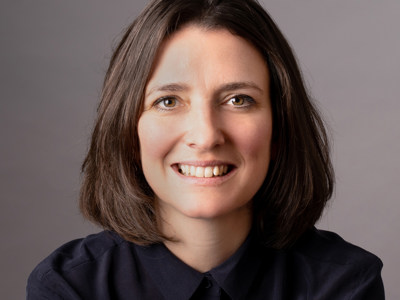
Sarah Westoby
Sarah Westoby is a senior associate solicitor in the human rights department.

Coroner to consider making prevention of future deaths report following the death of Daniel Lindsay who lived at Surrey care home
A coroner has said she has questions about how Ballater House Care Home in Surrey treats diabetic patients with low blood sugar, and about the home’s emergency alarm systems, following the death of Daniel Lindsay.

Inquests
Our specialist inquest lawyers can offer support and guidance