

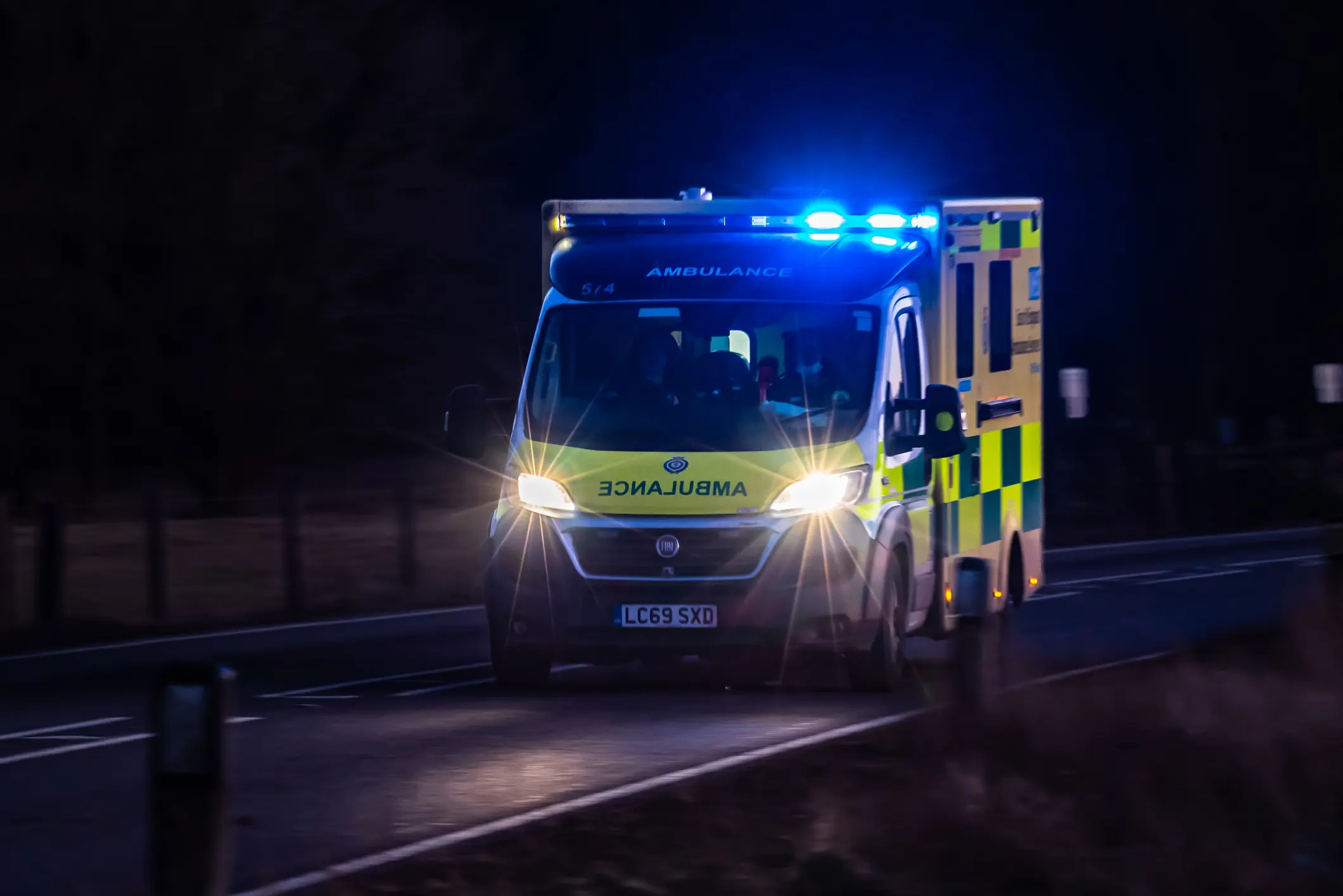
Coroner to consider making prevention of future deaths report following the death of Daniel Lindsay who lived at Surrey care home
A coroner has said she has questions about how Ballater House Care Home in Surrey treats diabetic patients with low blood sugar, and about the home’s emergency alarm systems, following the death of Daniel Lindsay.
Posted on 10 August 2026
Assistant Coroner for Surrey Caroline Topping confirmed she will decide whether to issue a Prevention of Future Deaths report after concluding that Daniel died aged 41 after choking because of undiagnosed oesophageal cancer in September 2023. She said further causes of death were Daniel’s learning disabilities and Down syndrome.
The full inquest was held at Woking Coroner’s Court from Monday 22 June 2026. It heard six days of evidence and concluded on Friday 24 July 2026.
Daniel had moved to Ballater House in November 2020. Ms Topping concluded Daniel’s care did not contribute to his death. However, she said his case had left unanswered questions about the systems in place at Ballater House Care Home in Chipstead.
She found Daniel, who was originally from Tooting, south London, could not easily communicate his needs because of his learning disabilities and Down syndrome. He was Type 1 diabetic and his family say he was a “gentle soul”, who especially enjoyed the time he spent watching wrestling matches on his iPad.

Giving her conclusion, the coroner said Daniel experienced a hypoglycaemic event on the evening of 23 September 2023, from which he recovered. However, no blood sugar reading was taken before he was left unattended. Shortly after being left alone, he was found vomiting and refusing to sit up.
Daniel was admitted to East Surrey Hospital, Redhill on the same day. He died on Sunday 24 September.
The coroner has asked Ballater House for a response on issues including where someone is suffering a hypoglycaemic episode they will not be left alone before a blood sugar reading has been taken. She also questioned whether the home’s emergency alarm systems were effective.
The inquest heard evidence about Daniel’s care and condition in the months before he died and how his family were not told about repeated incidents of vomiting. The coroner said that by the time of Daniel’s death, his oesophagus was totally occluded by cancer.
Sarah Westoby, a solicitor from the human rights team at law firm Leigh Day represents Daniel’s family.
Daniel’s family say that evidence heard during the inquest has raised concerns for them about the care he received before his death, including, they feel, whether signs of serious illness were recognised and acted upon appropriately, communication with his family, and the emergency care provided in the period immediately before he was admitted to hospital.
Daniel’s cousin Sarah became involved in his care after his mother died, when relatives came together to form a support network around him. She is now speaking on behalf of the family.
Daniel’s cousin Sarah said:
“Daniel’s death came completely out of the blue. We believed he was fit, healthy and happy at his care home, and had never been given any reason to think otherwise. Within 24 hours, we went from a normal evening to being told his life support had to be withdrawn. We are still struggling to come to terms with what happened.
“We feel the information we received from the care home did not appear to match what we later learned at hospital, where we were told Daniel had suffered a severe lack of oxygen to the brain. We were left with no clear understanding of how this could have happened while he was in a setting where nursing support should have been readily available.
“The post-mortem findings brought further shock. We learned that Daniel had advanced, undiagnosed oesophageal cancer and had choked on food. This was completely unexpected and raised concerns for us about whether signs of illness had been recognised and acted upon.
“Over the past three years, as we have tried to understand what happened, more questions have emerged. Disclosures to the inquest, in our view, brought to light symptoms and incidents in the months before Daniel’s death that we feel should have prompted medical attention.
“It is deeply upsetting to think Daniel may have been seriously unwell in the months before his death. We heard evidence that some staff believed Daniel was exaggerating symptoms, yet this was not discussed with our family.
“While we now know Daniel was seriously ill, we believe the way he died, and questions the coroner has raised around his care, matter greatly. Daniel was vulnerable and relied entirely on others to recognise when something was wrong. We believe the inquest has shown that he deserved better.
“In our view, Daniel’s death cannot be understood solely through the lens of his cancer diagnosis, learning disabilities and Down syndrome. We remain concerned about what we believe were missed opportunities to identify and address significant health issues before his death.
“We feel Daniel was let down in the months leading to his death and in the hours before he died.
"We remain profoundly saddened by the thought that Daniel suffered alone and frightened.
“It is well established that people with learning disabilities experience significantly poorer health outcomes and shorter life expectancy than the wider population, particularly those from non-white backgrounds. Daniel’s case involved both a late cancer diagnosis and choking, issues that are known to disproportionately affect people with learning disabilities.
“We are concerned that, despite the evidence heard during the inquest, important questions remain about the care Daniel received and about how the health and communication needs of people with learning disabilities are understood. We had hoped the process would lead to greater scrutiny of these issues and help prevent similar tragedies in future.
“Our hope is that Daniel’s case raises awareness of the challenges faced by some of the most vulnerable people in society, and encourages greater accountability, better care and earlier intervention for those who struggle to make their voices heard.
“As a family, we want to express our sincere thanks to Jodie Anderson of INQUEST, Sarah Westoby of Leigh Day, and Paul Clark of Garden Court Chambers, whose support enabled us to pursue answers. We are also grateful to George Julian for her reporting of the inquest and for helping ensure that Daniel’s story is heard and understood beyond the conclusions reached in this case.”
Leigh Day human rights solicitor, Sarah Westoby said:
“The evidence heard at Daniel’s inquest has raised important issues around the role that families and carers play in supporting individuals who cannot communicate their care needs for themselves, particularly those with learning disabilities. Daniel’s family believe there was a failure by the care home to communicate appropriately with them about the deterioration in his health in the months preceding his death.
“The inquest heard how Daniel, when suffering with recurrent vomiting, was thought by some care home staff to be ‘putting it on’; how the home failed to call an ambulance, contact his GP or inform his family when Daniel suffered a serious, life threatening health crisis in the month before he died; and how staff left him alone when suffering from hypoglycaemia without having checked his blood sugar, against his care plan.
“The circumstances of Daniel’s death appear to show a lack of understanding of how to care for people with learning disabilities, who are unable to communicate their needs and entirely reliant on care staff to understand and meet their needs.
“Daniel’s family have shown enormous strength and resilience in spite of their grief throughout this inquest process, focusing on trying to understand what happened to Daniel in the months, weeks and minutes before the incident on 23 September 2023, which led to his death the following day.
“We hope this inquest process will enable Ballater House and the wider care community to reflect on its practices and help ensure that no one else is put through what Daniel had to endure.”
Leigh Day instructed barrister Paul Clark of Garden Court Chambers as counsel.
Daniel’s family have been supported by INQUEST, a charity providing expertise on state related deaths.
Related Content
Sarah Westoby
Sarah Westoby is a senior associate solicitor in the human rights department.
Inquests
Our specialist inquest lawyers can offer support and guidance

Human rights
If you believe your human rights have been denied our human rights and civil liberties team is one of the leading teams of practitioners in this specialist area in the country.