


Inquest finds “gross failure” in the care of 77-year-old man who died after surgery at a Brighton hospital
An inquest has found there was a “gross failure” in the care of a 77-year-old grandfather who died after intestinal surgery at the Royal Sussex County Hospital in Brighton and that he could have survived if he was offered other treatments.
Posted on 28 August 2026
The inquest, held from 26-27 August at West Sussex, Brighton and Hove Coroner’s Court, heard how Arthur Craig was given no fluids for 24 hours after his major surgery, carried out by surgeon Mr Marc Lamah. Doctors were unaware he had a history of heart problems, even though this information was recorded in his medical notes and he had previously received treatment for this condition at the same hospital.
In his narrative conclusion, Assistant Coroner Gareth Jones said the failure to provide Mr Craig with intravenous fluids was a "gross failure", but it did not amount to neglect.
The coroner also found that:
- If Mr Craig and his family had been given the option of another operation called a defunctioning stoma, he would have likely taken it, and he would have been more likely to have survived. The coroner did not accept the treating surgeon, Mr Marc Lamah’s evidence that he had offered Mr Craig this alternative operation.
- A second opinion could and should have been sought before the operation to remove Mr Craig’s colon was carried out and another less invasive treatment should have been explored.
- The hospital doctors’ failure to see notes that the left side of Mr Craig's heart only had 30% functionality was “absolutely appalling. Something as fundamental as previous heart issues should be easily available."
The inquest heard how Mr Craig, who was originally from Northern Ireland, had been adamant he did not want to have surgery for bowel problems he was experiencing in 2024.
He was admitted to the Royal Sussex County Hospital after attending A&E on 28 May 2024 where tests initially found an ulcer. There were plans to discharge him, despite his family's concerns that he was still unwell.
However, following a CT scan, a large mass was discovered on his intestine, and Mr Craig was told he would need to have surgery to remove his colon. Neither Mr Craig nor his family were told of the risks of this surgery, offered alternative treatment options which the coroner found would have increased the likelihood of him surviving.
Expert witness and surgeon, Professor Stephen Brown, told the inquest that the left side of Mr Craig's heart had only 30% functionality, which he described as a "significant compromise of cardiac function". This information was included on Mr Craig’s medical records but was not noticed by the medical staff treating him in hospital.

Professor Brown also said he found it "deeply concerning" that Mr Craig had received no intravenous (IV) fluids for 24 hours.
The hospital's Medical Director for Professional Standards, Dr Stephen Drage, told the coroner that he could not possibly argue that the lack of careful pre-operative assessment and post-operative fluid management was within a standard that is expected. He went on to say that he was not here to try and defend that.
The coroner issued a direction that University Hospitals Sussex, which runs the hospital, to provide a statement evidencing that the hospital's consent processes have been improved. Should the coroner not be satisfied with the evidence provided, it is likely that he will issue a Prevention of Future Deaths Report.
University Hospitals Sussex told the BBC it would respond to the coroner's findings "as a matter of urgency” and has apologised for failings in Mr Craig’s care.
Speaking on behalf of Arthur Craig’s family, his daughter Cathy Craig said:
“During this inquest our family has raised a series of grave concerns over the care and treatment my father received at Royal Sussex County Hospital.
"Today, the coroner has confirmed many of our concerns in his findings. In particular,
- the failure to tell us about the right treatment options and risks.
- The failure to consider my father’s underlying health conditions.
- And the gross failure to give my father proper fluids after he underwent major surgery.
“My father's dying wish was to find out what happened to him in that hospital and I feel that today we got some answers. I want to thank the coroner, Mr Gareth Jones for his diligent and respectful handing of this inquest and my legal team for their excellent support and professionalism throughout this difficult process.”
The family’s solicitor, Camilla Browne from Leigh Day said:
“This inquest has highlighted a litany of problems that have occurred at the Royal Sussex County Hospital.
“In summary, the coroner accepted that there was very strong evidence that Mr Craig would not have wanted major surgery. If he had been advised properly of his options, the coroner found that he would have been more likely to have survived. The coroner also found failures in his post-operative care.
“Although it can never change what happened to Mr Craig and the pain caused to his family, I hope that this inquest has at least provided them with some answers and clarity.
“In the light of the coroner’s findings, I sincerely hope important lessons will be learned by staff at Royal Sussex County Hospital to ensure no other family has to go through the trauma and distress that Arthur’s family have experienced.”
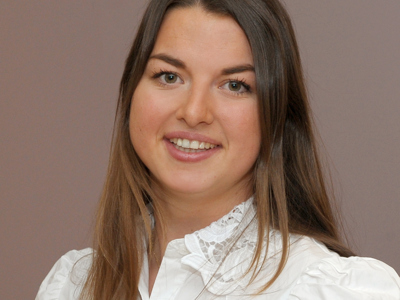
Camilla Browne
Camilla is an associate solicitor in the medical negligence department

Coroner to consider making prevention of future deaths report following the death of Daniel Lindsay who lived at Surrey care home
A coroner has said she has questions about how Ballater House Care Home in Surrey treats diabetic patients with low blood sugar, and about the home’s emergency alarm systems, following the death of Daniel Lindsay.

Medical staff missed chances to save Adam Cornell despite repeated attempts by his family to get help, inquest concludes
The inquest into the death of 32-year-old Adam Cornell has concluded GP staff, the local 111 service and paramedics missed opportunities to diagnose and treat a cyst on his brain in the days before his death.