

Testing reveals significant levels of PFAS chemicals in Thornton Cleveleys residents' blood
Blood testing on residents of Thornton Cleveleys living near a large chemical factory has revealed increased levels of PFOA in their blood. If you live in the area, or believe you may have been impacted by PFAS exposure, and would like to speak to our team about the investigation, you can get in touch.
Posted on 24 September 2026
PFOA (perfluorooctanoic acid) is classified as a carcinogen and is part of the PFAS (per- and polyfluoroalkyl substances) group of chemicals.
The test results revealed that of the 49 residents tested, nearly 70% of them had increased levels of PFOA which placed them at a higher risk of developing health problems associated with the chemical, such as high cholesterol and some cancers.
The test participants are residents of Thornton Cleveleys who live close to an industrial site operated by AGC Chemicals, where PFOA was historically used until 2012. The site was previously operated by ICI until 1992. It is estimated around 178 tonnes of PFOA has been released by the site since the 1950s.
Investigations have been carried out by Wyre Council in conjunction with the Environment Agency (EA) testing soil in the area. The soil testing found elevated levels of PFOA in samples taken from residents' properties and nearby allotments.
The council has since issued advice to residents not to eat fruit, vegetables or eggs produced in the vicinity, while two allotments have been formally closed.
Law firm Leigh Day has also been investigating PFAS contamination in the area, working with experts led by Dr Dave Megson at Manchester Metropolitan University (MMU).
As part of these investigations, blood tests were arranged for 49 residents who were selected based on their proximity to the chemical factory, how long they had lived in the area, and whether they ate local produce.
The blood testing took place over summer 2026, undertaken by an expert team from MMU with the results relayed to participants on 23 September 2026.
The results showed levels of PFOA above 20 nanograms per millilitre (ng/ml) in 69.4% of participants, placing them in the high-risk category, with the overall average at 26 ng/ml. None of the participants returned results in the low-risk category of below two ng/ml.
A higher than average of PFOA levels was recorded among participants living within a kilometre of the industrial site, while 75% of participants who ate home-grown fruit and vegetables were found to be in the high-risk category.
Experts investigating the site say the results are comparable to those of residents in Ohio living near a DuPont factory, in the case adapted into the film Dark Waters, where an average of 32.9 ng/ml was recorded.
Leigh Day partner Sarah Moore, who leads the firm's investigations, said:
"The results of our testing project in Thornton Cleveleys are hugely concerning. They are a reminder that PFAS contamination has a human impact, not just an environmental one. The available evidence suggests that PFAS exposure can lead to serious health impacts, including cancers, when it reaches elevated levels. Those levels have already been exceeded in Thornton Cleveleys and it is now the community that are paying the price of that exposure in terms of potential health effects, restrictions on what they can grow and eat locally, and the value of their properties.
"The Government has promised increased engagement and regulation of PFAS contamination, but as yet nothing has been done. The situation in Thornton Cleveleys is a reminder that action should be taken now."
The results:
69.4% had PFOA levels in the high-risk category above 20 ng/ml. According to the NASEM (National Academies of Sciences, Engineering, and Medicine) guidelines, doctors treating these individuals should be alert to increased risk of kidney cancer, testicular cancer and ulcerative colitis.
30.6% of those tested were in the medium-risk category (between 2 and 20 ng/ml). This means that doctors treating these individuals should be alert to potential adverse effects.
The average PFOA reading across the participants was 26 ng/ml.
Elevated PFAS concentrations were demonstrated across all age groups and all distance bands, with the AGC site as the central point.Multiple households demonstrated elevated PFAS concentrations across more than one family member (a ‘cluster’).
Most participants with the highest PFAS readings were older than 50.
The highest average PFAS burden was observed among participants living within one kilometre of the factory.
Some highly elevated PFAS concentrations were also reported in participants living more than two kilometres from the site.
The length of residence may be associated with higher levels of exposure to PFAS.
Participants with the highest PFAS burdens reported residence periods ranging from approximately 11 years to over 40 years.
For participants that reported frequently consuming eggs grown on their property, every member of the group had a PFAS level in the high-risk category.
Of those participants that frequently consume fruit/vegetables grown on their property, 75% had PFAS levels in the high-risk category.
Of those who consume home-grown produce occasionally, 71% have PFAS results in the ‘high risk’ category.

Sarah Moore
Leading environment and product safety lawyer

Seven homes identified as “high risk” due to PFAS contaminated soil in Thornton-Cleveleys
Investigations into the presence of ‘forever chemicals’ PFAS in soil near an industrial site in Thornton-Cleveleys, Lancashire, has identified seven nearby homes as “high risk”.
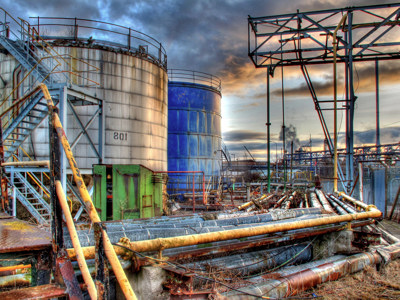
Leigh Day continues to investigate issues surrounding the alleged contamination of allotment plots situated near AGC Chemicals plant in Thornton-Cleveleys, Lancashire.
Wyre Council announced in July 2024 that it had, in conjunction with the Environment Agency, launched an investigation after discovering the probable release of the chemical perfluorooctanoic acid (PFOA) by AGC Chemicals Europe Ltd, and previously Imperial Chemistry Industries Ltd (ICI), at a site in the area.
Impacted by PFAS exposure?
If you live in the area, or believe you may have been impacted by PFAS exposure, and would like to speak to our team about the investigation, please get in touch