

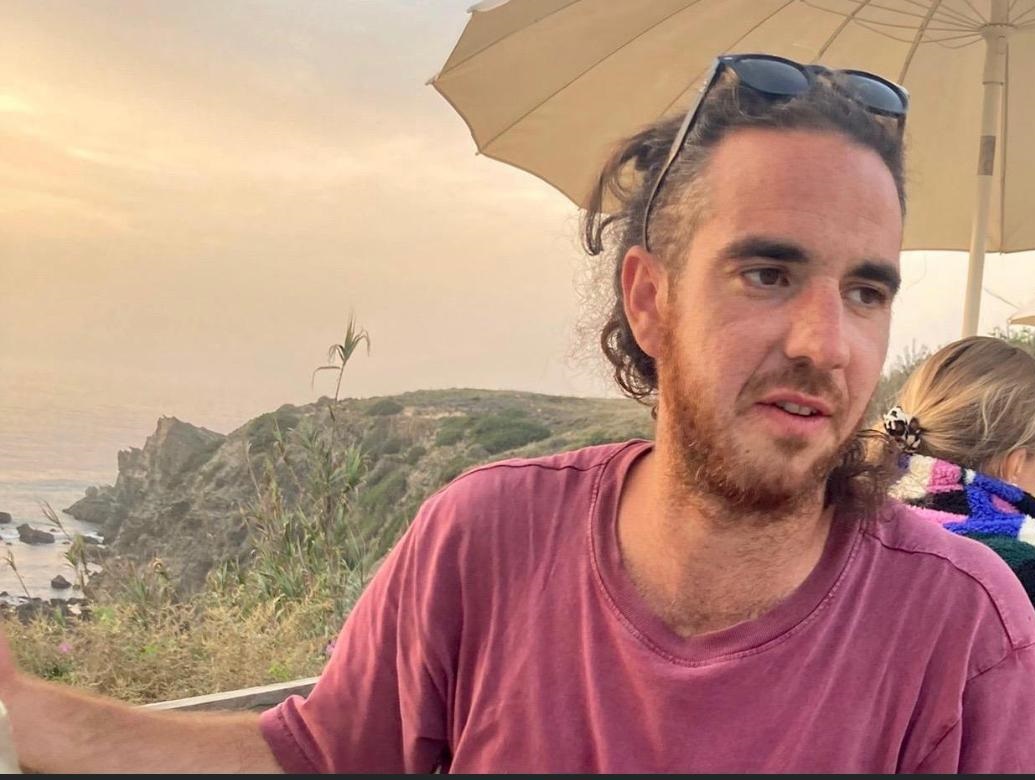
Medical staff missed chances to save Adam Cornell despite repeated attempts by his family to get help, inquest concludes
The inquest into the death of 32-year-old Adam Cornell has concluded GP staff, the local 111 service and paramedics missed opportunities to diagnose and treat a cyst on his brain in the days before his death.
Posted on 06 August 2026
The coroner found Adam's family tried to raise the alarm at least six times as his condition deteriorated. She concluded that, had his "red flag" symptoms been recognised, Adam should have received emergency treatment which more than likely would have prevented his death in June 2023.
Area Coroner for Cambridgeshire and Peterborough, Elizabeth Gray, concluded Adam died from a cyst at the base of his brain that caused a build-up of fluid and fatal pressure on his brain.
The inquest hearing was held at Vantage House, Huntingdon, Cambridgeshire from Wednesday 29 to Thursday 30 July 2026.

Adam, who grew up in Peterborough, Cambridgeshire was the youngest of three children. He graduated from the University of Leeds with a degree in Sports Science. Adam travelled around the world and spent time in Asia, Australia and the Alps, where he worked ski seasons. Family and friends described him as kind, generous and deeply compassionate, and following his death tributes were received from people worldwide whose lives he had touched.
At the time of his death, Adam had been back living in Peterborough.
The inquest heard that, in the days before his death, Adam had reported around two months of neurological symptoms and sought help for headaches and dizziness, including through the Hertfordshire Urgent Care out-of-hours service, his GP and the ambulance service. Herts Urgent Care (HUC) provides NHS 111 and Integrated Urgent Care services across Hertfordshire, Cambridgeshire, Peterborough and parts of Essex.
Adam was triaged by a GP and attended a GP appointment on 4 June 2023, before seeing his registered GP on 6 June 2023, when an urgent outpatient CT scan and blood tests were ordered.
The coroner found an examination of the back of the eyes, known as a fundoscopy, was not performed at either GP appointment.
On 7 June 2023, Adam’s family called 999 and he was seen by a paramedic. The coroner recorded that, following discussion with a senior colleague, the paramedic said no further treatment was required because Adam was already under a GP care plan.
The coroner noted, however, neither Adam nor his family were asked why they had called 999 after being advised to do so by his GP, or about their concerns that his symptoms had become worse since the previous day's appointment.
The inquest heard Adam’s family contacted HUC again on 7 June 2023 seeking an Emergency Department appointment for him. While they were waiting for a clinician to call back, Adam’s condition deteriorated, he became unresponsive and an ambulance was called.
When Adam was admitted to Peterborough City Hospital, scans showed a build-up of fluid in his brain and severe pressure on the brain. Doctors concluded his condition was not survivable.
Adam was placed on life support, which was withdrawn on Sunday 11 June 2023. He died later that day.

The medical cause of death was recorded as bilateral cerebellar tonsillar herniation, acute obstructive hydrocephalus and posterior fossa arachnoid cyst, meaning a cyst caused a dangerous build-up of fluid and pressure on Adam's brain, resulting in fatal brain damage.
Adam’s family are represented by Nadine Refaat, a solicitor from the clinical negligence team at law firm Leigh Day.
Maria Cornell, Adam’s mother, said:
“Adam was a kind, compassionate and extraordinary person who touched the lives of so many people. He was devoted to his family and friends, always helping others and putting their needs before his own.
"Adam had a unique ability to connect with people from all walks of life, and the stories we have heard since his death show just how much of a lasting impact he had on those around him. He brought so much joy to our lives and is deeply missed every day.
“He was my son and losing him in these circumstances has been devastating beyond words.
“I am grateful that Adam’s case has been examined so thoroughly by the coroner. It has been extremely painful to hear the evidence about what happened in the days and hours before he died, but it was important that the circumstances of his death were properly investigated.
“What happened to Adam should never have happened. We sought help repeatedly because we could see how seriously unwell he was becoming, but there were too many missed opportunities to recognise the warning signs and provide the care he needed.
“We now know an examination of the back of Adam’s eyes, known as a fundoscopy, could have helped identify how serious his condition was. I hope Adam’s story helps raise awareness of the importance of severe or worsening symptoms being taken seriously and encourages people to speak up and ask whether further checks may be needed if they feel something is being missed. That awareness could help save lives.
“I hope the health professionals involved, and the wider healthcare system, take lessons from Adam’s death. Families should be listened to, warning signs must not be missed, and no other family should have to endure the pain and loss that we live with every day.”
Leigh Day solicitor Nadine Refaat said:
“The evidence heard during this inquest showed Adam and his family sought medical help repeatedly in the days before his death as his condition deteriorated.
“The coroner’s thorough investigation and conclusion validate the family's concerns that Adam’s worsening condition was overlooked on multiple occasions and that opportunities to diagnose and treat him were missed.
“The coroner found that, on the balance of probabilities, emergency treatment would have prevented Adam’s death at that time. Had these opportunities not been missed, Adam’s death could and should have been avoided, and he could still be enjoying life with his family and friends today.
“Maria and the rest of Adam’s family have shown remarkable courage throughout the inquest process. They remain determined that lessons are learned from Adam’s death and hope that any necessary changes are made to help prevent other families experiencing a similar tragedy in the future.”
Leigh Day instructed Rajkiran Arhestey of 1 Crown Office Row as counsel.
Related Content

Nadine Refaat
Nadine joined Leigh Day in February 2025 as an associate solicitor in the medical negligence department.
Medical inquests
Contact our experienced inquest team today for help