


Benefits of cycling: health, mental wellbeing and environmental impact explained
In this Cycle to Work day Q&A, Rory McCarron, Leigh Day solicitor and daily cyclist, answers the most common questions about why cycling is good for you, your family and your community.
Posted on 05 August 2026
Cycle to Work Day, occurring yearly on the first Thursday of August, is designed to encourage as many people as possible to use their bicycle for their daily commute.
In this Q&A, Rory McCarron answers some of the most common questions about the physical, mental and environmental benefits of cycling for adults and children alike. A solicitor at Leigh Day, Rory is a daily cyclist, using his bike as his primary mode of transport. He has also spent more than a decade representing seriously injured cyclists and regularly campaigns to make cycling safer. This gives Rory a unique perspective on both the rewards of cycling and the importance of safer roads for everyone who rides.
What is the most obvious benefit of cycling?
The most obvious benefit of cycling is physical health. It is a low-impact cardiovascular exercise activity that provides a full-body workout, helping to build stamina and burn calories in a non-intimidating and enjoyable way.
The NHS recommends adults engage in at least 150 minutes of moderate exercise a week, and cycling is an easy and practical way to build physical activity into the day. Whether you are cycling to work, to the shops or simply for leisure, you are investing in your long-term health.
What are the benefits of cycling for children?
Childhood obesity remains a serious public health concern in the UK. In England, Department of Health statistics from the 2023–2024 academic year show obesity prevalence was 9.6% among children in reception, rising to 22.1% by year six. Incorporating just a few short cycles each week can help reduce this risk in a simple, natural and enjoyable way.
NHS guidelines recommend children aged five to 18 engage in at least 60 minutes of moderate to vigorous physical activity every day. Cycling is a fun and engaging way to meet this recommendation which young people can carry through into adulthood.
Can cycling improve mental health?
Yes – I have seen firsthand the huge positive effect cycling can have on mental health. I speak about this most days with my clients and many say it’s one of the reasons they cycle in the first place. Regular physical activity triggers the release of endorphins, which are often described as the body’s natural mood lifters. People who exercise regularly tend to report lower levels of anxiety and stress, with research consistently linking physical activity with reduced rates of depression.
Being outside adds another layer of benefit. Exposure to fresh air, natural light and nature has a positive effect on mental clarity and mood. For many people, cycling is not simply exercise or transport but time away from screens, from traffic noise and from the demands of the day.
Cycling can also be a very sociable activity. Group rides, cycling clubs and commuting communities offer connection and shared purpose, which can be especially valuable for people who live alone, work from home, or are new to cycling.
Can cycling improve focus and cognitive performance?
The health benefits of cycling can extend to school, work and academic performance too, with positive effects on cognitive function. Some studies have shown a direct benefit link from the area of the brain responsible for thinking and memory skills to exercise.
For working adults this means that rather than sitting in traffic or on a packed commuter train, you arrive at work having already oxygenated your brain and cleared your head.
For students and children, the same principle applies. Building regular physical activity into the school day or the commute to school could support learning and concentration in the classroom.
What are the environmental benefits of cycling?
Transport is consistently among the UK’s largest contributors to carbon emissions. Cycling UK says cycling is a simple lifestyle choice that will help reduce your personal carbon footprint. I recognise it might be extreme for some to solely cycle every day, however even swapping a few short car journeys a week will reduce the number of cars on the road, and these small steps can in turn, improve air quality in towns and cities.
You can read more environmental benefits on the Cycling UK website.
Can cycling save you money?
Cycling requires an upfront investment - a suitable bike, a helmet, lights and basic maintenance equipment – but Cycling UK says the ongoing costs are minimal compared to the daily expense of running a car or relying on public transport.
For regular commuters, the savings can include the cost of daily train or bus fares, parking charges and petrol.
Many employers participate in the government’s Cycle to Work Scheme, where staff can purchase a bike and equipment tax-efficiently, spreading the cost and reducing the upfront barrier to getting started.
There are also brilliant organisations out there to help children build their confidence on bikes, like Bikeability, but many campaigners believe as a country we should be doing more to allow every child the access to a bicycle should they want one.
What advice would you give to people starting to cycle?
If you are considering making the switch to cycling as a mode of transport, it might seem daunting at first. My top tips include:
-
Choose the right bike. Make sure it fits you correctly and is set up for your height and riding style. A bike that is the wrong size will be uncomfortable and harder to control.
-
Start with shorter, quieter routes. Build your confidence on residential roads before cycling on busier streets or into town centres.
-
Check your bike before each ride. Tyres, brakes and lights should be checked regularly and perhaps learn some basic maintenance skills which are easily found online.
-
Plan your route in advance. Cycling apps can provide cycling-specific route options that help you identify quieter roads and dedicated cycle paths. Make sure to give yourself extra time for the first few trips until the route becomes familiar.
-
Consider joining a local cycling group. Riding with others builds confidence, improves safety and connects you with people who know the local roads well.
If Cycle to Work day has inspired you to get back on your bike, make sure you start safely, build confidence gradually and know your rights on the road.
How safe is cycling in the UK?
This is an important question to address but it is just as important to be clear that the solution is not to discourage cycling but to demand safer roads and environments. Cycling brings enormous rewards, but unfortunately serious collisions still occur. According to Road safety charity, Brake, cyclists are among the UK’s most vulnerable road users.
I was a contributor to the Road Justice Inquiry Report, which examines how the legal framework can better protect vulnerable road users. This advocacy reflects a commitment shared across the Leigh Day cycling team: that safer roads benefit everyone.
It is clear cycling can offer significant benefits to your health, your finances and the environment - but serious accidents can happen. If you or someone you love has been injured while cycling, you do not have to navigate the aftermath alone. To find out more about how we support injured cyclists, visit Leigh Day’s cycling accident claims page.
About Rory McCarron
Rory is a solicitor in Leigh Day’s cycling team. He joined the firm in 2016 and has spent over a decade representing vulnerable road users, primarily cyclists who have sustained life-changing injuries. He only represents vulnerable road users whose cases normally demand specialist expertise.
As a daily cyclist, Rory brings both personal and professional insight to this work. He understands the physical and psychological importance of returning to cycling after a serious incident, and he has seen firsthand how the right legal support can make a meaningful difference during recovery and settlement. You can read Rory’s full biography here.

Cycle to Work Day 2025
Head of Leigh Day’s personal injury team Sally Moore explains the importance of Leigh Day's work to promote the safety and accessibility of cycling and how across the firm, we and British Cycling are working together to champion these objectives.
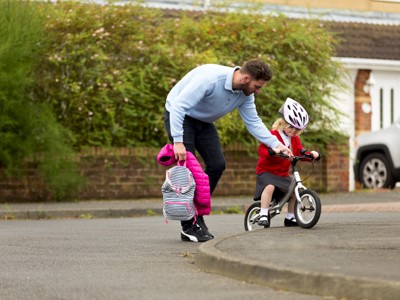
Cycle to School: social, environmental and economic benefits
Discover the health benefits, environmental impact, and academic performance boost of cycling to school. Embrace a sustainable, healthy lifestyle today!

Why cycle up a very steep hill?
William Broadbent explains the mystery: Why cycle up a very steep hill?