

London Bullion Market Association on trial for certifying refiner that sourced gold from Tanzanian mine as “clean” despite allegations of systematic human rights abuse
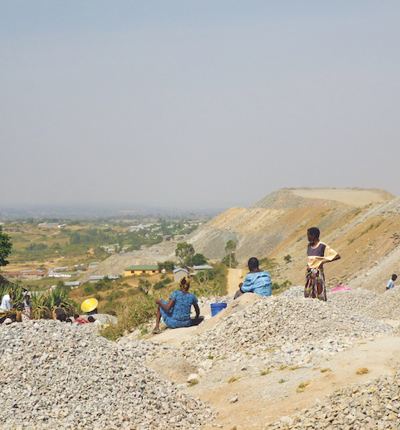
A High Court trial begins in London on Wednesday 7 October 2026 over claims brought by the families of two miners allegedly killed by security forces at a gold mine in Tanzania.
Posted on 06 October 2026
The families allege the London Bullion Market Association (LBMA) repeatedly wrongly certified a gold refiner that sourced gold from the North Mara mine as “clean” despite widespread human rights abuses.
The families of the two 23-year-old artisanal miners, who were allegedly killed while prospecting for gold at North Mara mine in 2019, say that by certifying the refiner as sourcing “conflict free” gold, the LBMA wrongly represented that gold from the mine was untainted by serious human rights abuses.
The LBMA oversees the London gold market and operates a “Good Delivery List”, which is designed to prevent gold linked to human rights violations, conflicts or crimes from entering the market. The scheme has become the leading global standard for the responsible sourcing of gold bullion.
The families argue that, as the certifying body for the world's largest gold market, the LBMA owes a duty of care to victims of alleged human rights abuses at North Mara Mine, has failed to properly enforce its own policies and guidelines. They further allege that those failures effectively covered up the systematic human rights abuses over many years and allowed them to continue with impunity.
The claimants allege various serious conflicts of interest between the LBMA and the North Mara Mine, including:
- That a senior figure from the MKS PAMP Group, the refiner sourcing from North Mara, sat on the LBMA’s board at the material time.
- The LBMA’s rules and procedures were initially drafted by MKS employees.
- A non-executive director of Barrick Gold, the operator of the mine, also sat on the LBMA’s board.
- The head of the LBMA’s committee responsible for managing the Good Delivery List was a senior figure at a bullion bank which financed gold exports from the mine.
The families of the miners argue that the ability to produce “Good Delivery gold” was crucial to the mine’s profitability, because it allowed its gold to be traded in major international markets. The claimants argue that if the LBMA had followed its procedures and decertified the refiner because of the alleged serious human rights abuses, this would have been commercially devastating for the refiner and the mine. The claimants allege that the refiner and the mine would have done all in their power to avoid such an outcome and would have ensured the human rights violations were stopped.
Several NGOs have reported more than 100 killings and 304 injuries in incidents linked to North Mara mine between 2009 and 2022, along with numerous allegations of police abuse around the mine. North Mara mine is majority-owned by Canadian multinational Barrick Mining Corporation, one of the largest gold mining companies in the world. The company denies allegations of human rights abuses at North Mara, says they are unsubstantiated, and denies that it has or had any oversight or control over the Tanzanian police.
The trial, which is expected to last until 20 November, will hear arguments from the claimants' lawyers including:
- Whether the LBMA should have certified the gold refiner sourcing gold from the North Mara mine as producing Good Delivery gold under its scheme to ensure only “conflict-free” gold enters the market.
- To what extent other participants in the global gold market, such as downstream companies or bullion banks, rely on LBMA certificates to satisfy their own legal obligations to conduct due diligence on their supply chains.
- Whether, by certifying that the gold refiner from North Mara was eligible to produce Good Delivery gold, the LBMA owed and/or breached its duty of care to the two miners who lost their lives at the mine.
- Whether the LBMA should have delisted the refiners processing gold from North Mara until appropriate steps were taken to end any pattern of disproportionate force and serious human rights violations at the mine.
- Whether there was a conflict of interest involving LBMA board members who were also senior executives at refiners involved in processing the gold from North Mara mine.
- To what extent the refiner and the mine would have been forced to take effective steps to stop allegations of serious human rights abuse at North Mara, had LBMA decertified, or threatened to decertify MMTC PAMP.
The trial comes as 30 more people have joined the legal claim against the LBMA, bringing further allegations of killings, severe woundings and torture by security forces at North Mara mine. Those claims have been paused pending the outcome of the trial.
The LBMA denies liability in full. It says the alleged fatalities at North Mara Mine are unrelated to its role in the London bullion market, as it has no role in accrediting mines, no personnel based in Tanzania, and no control or oversight of operations at North Mara mine. It further argues that the alleged human rights abuses were not sufficiently serious to merit the refiner stopping trading with the mine.
The claimants are represented at trial by Daniel Leader and Alex Wessely from Leigh Day’s international department, with a counsel team comprising Dominic Grieve KC, Russell Hopkins, Professor Andrew Higgins and Anisa Kassamali of Temple Gardens Chambers.
Leigh Day international department solicitor Alex Wessely said:
“The LBMA claims to be the global authority on precious metals, with robust procedures and policies to ensure that Good Delivery List refiners only source conflict-free gold, untainted by serious human rights violations.
“Nevertheless, the LBMA has continued to certify gold from North Mara mine as Good Delivery gold, including in 2019 when our clients were killed, despite extensive allegations of ongoing serious human rights abuses at the mine. The LBMA’s claim they were unaware of these allegations, but their systems, checks and balance, were rendered meaningless by conflicts of interest and negligence.
"A Responsible Gold Certificate signals to the international gold market, and to the world at large, that gold from North Mara is “conflict-free”. Our clients say this is untrue and that the LBMA has effectively covered up the human rights abuses that allegedly led to the deaths of the two artisanal miners at the heart of this case.”
Daniel Leader, partner in Leigh Day’s international department said:
“It is a fact that the North Mara mine has been the subject of repeated allegations of human rights violations over the past decade and that it has become known as Africa’s most deadly mine. The LBMA has deployed every possible excuse as to why it is acceptable to keep on certifying gold from the mine as “clean gold” despite the mountain of evidence of serious human rights abuses. Our clients say it is time for the LBMA to clean up its act.”

Daniel Leader
International human rights, business human rights and corporate accountability lawyer

Alex Wessely
Alex Wessely is a senior associate solicitor in the international department.

High Court claims issued against Rio Tinto plc over allegations environmental contamination from mine in Madagascar has caused local people to have dangerous levels of lead and uranium in their bodies
More than 6,500 people living near a mineral mine in Madagascar have issued claims in the High Court against the mining giant Rio Tinto plc and its subsidiary, QIT Madagascar Minerals S.A (“QMM”), alleging that the mine has caused widespread contamination of the local environment, severely impacting their health and livelihoods.