


Blind man launches legal action against British Museum over lack of audio tours for Bayeux Tapestry
A blind man has launched legal action against the British Museum after it refused to provide audio described tours for its exhibition of the Bayeux Tapestry.
Posted on 30 September 2026
In a legal letter sent to the British Museum by law firm Leigh Day, Dr Yusuf Ali Osman argues that the British Museum has failed to comply with its duty to make reasonable adjustments under the Equality Act.
Dr Osman, who is registered blind and has no sight in either eye, contacted the British Museum in July 2026 to ask whether live audio described tours would be available when the tapestry went on display.
The museum subsequently confirmed that audio described tours would not form part of its current programme, explaining that restrictions on the number of hours of light exposure permitted on the tapestry each week limit the number of visitors who can enter the gallery. It said that, because of these restrictions, it is prioritising self-guided visits over programmed tours and events.
Without audio description, Dr Osman, from Croydon is unable to access the visual information conveyed by the tapestry in the same way as sighted visitors.
In a pre-action protocol letter (PAP) sent to the museum on 24 September 2026, Dr Osman argues that the museum’s failure to provide audio description places him at a substantial disadvantage compared with sighted visitors, who are able to access the visual information contained in the tapestry without an auxiliary aid. Dr Osman is seeking damages, a declaration that he has been discriminated against and an order requiring the museum to amend its policies and ensure relevant staff receive disability awareness training.
Dr Osman is represented by Kate Egerton, discrimination solicitor in the human rights team at law firm Leigh Day.
Dr Osman said:
“I want to be able to visit the Bayeux Tapestry and experience it for myself. I understand that there are important restrictions around how the tapestry is displayed, but it is disappointing to find that blind visitors are not being offered an audio described way of experiencing it.
“I hope that this legal action will help make sure that blind and partially sighted people are properly considered when major exhibitions are planned, so that we can enjoy and engage with our national cultural institutions on a more equal footing.”
Kate Egerton said:
“The Bayeux Tapestry is an extraordinary cultural object, and everyone should have the opportunity to experience and engage with it. For blind and partially sighted visitors, audio descriptions can provide access to the visual information that sighted visitors are able to take in directly.
“The Equality Act places obligations on service providers to anticipate the needs of disabled people and take reasonable steps to avoid substantial disadvantage. Our client is asking for the same opportunity as sighted visitors to experience this exhibition.”
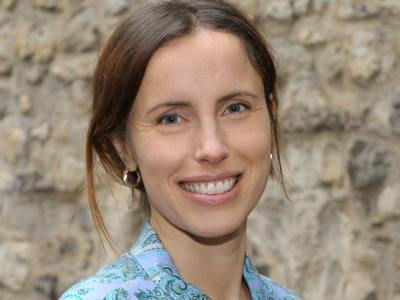
Kate Egerton
Kate Egerton is a senior associate solicitor in the human rights department.

Discrimination claims
Discrimination can sadly happen in almost any situation.
Settlement secured for blind student who fell on to Manchester Piccadilly station tracks
Abdul Eneser, a blind man who fell on to train tracks at Manchester Piccadilly station and narrowly missed being hit by a freight train, has settled his case against Network Rail.