

What is asbestos? Where it is found and the risks of exposure
Rachel Leach, an associate in the Leigh Day industrial diseases team, explains what asbestos is, where it is commonly found, the risks of exposure and what to do if you are concerned.
Posted on 21 September 2026
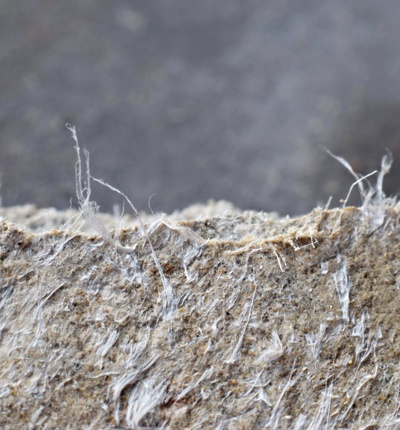
Asbestos is a group of naturally occurring minerals made up of tiny fibres. It was once seen as a ‘magic mineral’ because of its durability and resistance to fire. It became widely used as a form of insulation during the 1950s,1960s and 1970s, particularly in the shipping and construction industries, where it was valued for being versatile and cheap. Although awareness of the dangers of asbestos has grown significantly, and its use was eventually banned in the UK, its legacy remains. Many older homes, schools, hospitals and workplaces still contain asbestos, and exposure to its fibres can lead to serious diseases including mesothelioma, asbestosis and asbestos-related lung cancer.
Where is asbestos commonly found?
Asbestos was used in a wide range of materials and products, particularly in older buildings, ships, insulation and household items. Asbestos fibres were historically mixed with water to create a compound that was easy to apply even in tight spaces and around pipes. When it dried, the mixture went hard like plaster of Paris and was often used on hot water/steam pipes and boilers as a form of insulation. However, asbestos also came in many other forms.
Examples of where asbestos can be found include but are not limited to:
-
Asbestos rope
-
Asbestos sheets
-
Corrugated roof sheets
-
Fascia boards
-
Soffits
-
Fabrics (including fireproof suits/gloves/aprons)
-
Ceiling tiles
-
Vinyl flooring
-
Ironing boards
-
Bunsen burner mats
-
Artex
-
Fire doors
Some of these may be obvious, others are less so. In the shipping and construction industries many of the asbestos products had to be cut up to the correct size, causing asbestos dust and fibres to be released in the process. Old lagging in poor condition was also frequently removed and replaced. It was very brittle and broke apart as it was removed, causing clouds of asbestos dust and fibres to be released. Those working directly with asbestos products either by applying new asbestos lagging or removing old asbestos without respiratory protection have undoubtedly been exposed to asbestos dust and fibres, as it was impossible to avoid.
Could I have been exposed to asbestos?
The honest answer is yes; it is possible many of us have been exposed to asbestos at some point in our lives. It is more common than many people realise, particularly in older buildings, certain workplaces and through products containing asbestos.
Whilst there are no exact statistics, a recent report from the Department for Education revealed more than 80% of state schools in England still contain asbestos. It is also estimated that 94% of NHS hospital trusts in England contain asbestos (Morrin et al., 2019). UK residential properties built before the ban, especially those built between the 1950s and the 1980s are also at risk of containing asbestos with up to 50% of homes estimated to be affected according to the UKHSA. Asbestos has also been used in everyday products such as talc and makeup products without the knowledge of the user. Find out more about asbestos exposure from consumer products in our previous blog: Could asbestos be hiding in your cosmetics? What consumers in the UK should know.
This does not mean that we all need to panic that we will develop an asbestos-related disease in years to come. Asbestos becomes dangerous when the dust and fibres are released and inhaled or swallowed. Whilst there can never truly be a safe level of exposure, very low levels of exposure for limited periods are unlikely to result in an asbestos-related disease.
What should I do if I think I have found asbestos?
If you are concerned that something in your home or workplace contains asbestos, the only way to know with certainty is to get it tested. If it is asbestos, and you are worried about exposure, arrange for it to be removed by specialists in asbestos removal. They will remove it safely without exposing themselves, you or your family.
If you or a family member has been diagnosed with an asbestos-related illness such as mesothelioma, asbestos-related lung cancer or asbestosis, our specialist industrial disease lawyers may be able to help. Contact our team for expert advice on your legal options and whether you may be entitled to compensation.

Rachel Leach
Rachel is a solicitor in the asbestos team

Could asbestos be hiding in your cosmetics? What consumers in the UK should know
Understand the hidden risks of asbestos in talc-based makeup and how our specialist asbestos lawyers can help if exposure has caused harm.

What is asbestos?
Before starting a claim following asbestos exposure, you may still have a few unanswered questions – whether they’re about what asbestos is to how much compensation you may be awarded, our frequently asked questions are answered here