

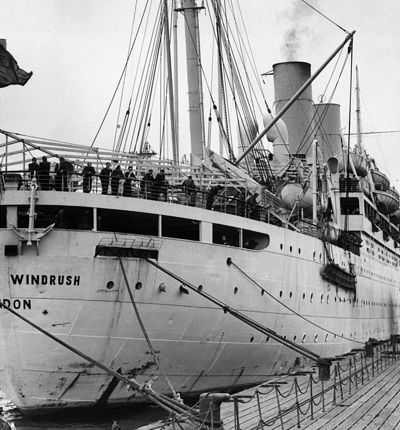
The Windrush Scandal continues to overshadow Windrush Day
22 June marks Windrush Day, established to celebrate those who arrived in the UK from the Caribbean between the mid-1940s and early 1970s. Yet what should be a powerful moment to honour and preserve the achievements and histories of that generation is overshadowed by the Windrush Scandal.
Posted on 22 June 2026
Many false narratives surround the scandal as does the mischaracterisation of those who came as destitute beings invited to help rebuild post war Britain.
In reality, although there is much about the scandal to emerge, one fact is undeniable: many of those whom Windrush Day seeks to honour, primarily Caribbean elders, have become unwitting victims of successive government’s “Hostile Environment” policies, as have individuals from Commonwealth countries in Africa and Asia.
These policies are not imagined by campaigners. They were deliberately designed and implemented across successive administrations: Labour, the Liberal Democrat - Conservative Coalition, and later Conservative governments. They required landlords, employers, airlines, the NHS and banks to check for immigration status before offering services.
The consequences were severe. Countless Black and Brown individuals lost jobs and opportunities, housing, health care, financial access and the ability to travel. Many were unlawfully detained and deported from the UK and tragically, many died before receiving justice.
At its core, the Windrush Scandal arose from a series of changes to UK immigration law which disproportionately impacted African, Asian and Caribbean people. Most victims were British subjects under the British Nationality Act 1948, with the legal right to live and work in the UK, or descendants of those who held that status.
However, many lacked formal documentation because they often travelled on parents’ passports or were never issued with evidence of their status. Not enough is made of the sleight of hand used to deny some people of the Commonwealth a status they were born with, and worst, that to have understood that these changes to legislation and placed in post-independence constitutions, required some specialist legal or political knowledge.
Since the first media reports in the winter of 2017 signalling the start of the Windrush Scandal, nearly a decade has passed yet many victims have not yet achieved justice. There are still victims stuck overseas, including a Mr Williams who despite the Home Office acknowledging that his deportation to Jamaica in 2016 was unlawful, won’t facilitate his return to the UK because of an impasse caused as to whether he remains subject to an IPP sentence, despite these being discredited, and would therefore, despite his age, frailty, and the loss of parole opportunities through no fault of his own, could face imprisonment if returned.
Similarly, a Mr Blair, who despite successfully appealing the wrongful refusal of his returning resident visa before the scandal became widely known, has been offered a derisory sum of compensation despite being kept out of the UK for almost a decade.
The Windrush Schemes, established to address the injustices experienced by victims of the Windrush Scandal, continue to present serious challenges. While some improvements such as larger and earlier interim payments have been introduced following pressure from lawyers and campaigners, problems persist. Misguided promotional campaigns by well-meaning but misinformed community figures have contributed to delays, with large numbers of ineligible claims complicating processing already under strain from under resourcing. Similarly, officials working on Windrush claims report having had hundreds of ineligible claims from one address in Bangladesh, distorting the data about claims and success rates.
More concerning however is the number of legitimate claimants initially deemed ineligible, only to have those decisions overturned after lengthy review periods - often taking one to two years. In some cases, claimants go from nil offers to six figure sums. Given that many claimants are elderly, such delays are not only unacceptable but profoundly unjust.
The origins of the scandal lie in institutional failure, bureaucratic inertia and the influence of race and systemic bias within immigration policy.
With the redress process itself beset by ongoing issues, the case for accountability has only strengthened. The Home Office should withdraw its opposition to a full public inquiry - both into the root causes of the Windrush Scandal and into the ongoing failures of the schemes intended to remedy it as few lessons have been learnt almost a decade on.
If you are affected by any of the issues raised by the Windrush Scandal, please contact Leigh Day.

Jacqueline McKenzie
Jacqueline McKenzie, partner and head of immigration and asylum law

Court of Appeal rules Home Office must look again at Windrush daughter Jeanell Hippolyte’s case
The Court of Appeal has ruled that the Home Office must reconsider the case of Windrush daughter Jeanell Hippolyte whose application to stay in the UK it had refused because she did not fit its strict eligibility criteria.

Charity report finds UK asylum hotels failing vulnerable people
A new report by the Refugee and Migrant Forum of Essex and London (RAMFEL) has revealed what it says are the devastating impacts of the government’s long-term use of hotels to house people seeking asylum.