


Could asbestos be hiding in your cosmetics? What consumers in the UK should know
Understand the hidden risks of asbestos in talc-based makeup and how our specialist asbestos lawyers can help if exposure has caused harm.
Posted on 13 August 2026
Every day, millions of us apply products such as face powder, eyeshadow and foundation without thinking twice about their ingredients. However, reports over recent years have highlighted concerns about asbestos contamination in some cosmetic products, particularly those containing talc.
In this blog post, Zara Brown, an associate in the Leigh Day industrial diseases team, explains the potential danger posed by contaminated cosmetics, how exposure to asbestos can occur through make up and what to do if you believe you are at risk of exposure.
Understanding the risks of asbestos contamination
Although talc itself is a natural mineral, it is often found in proximity to asbestos and can be contaminated during the mining process. This has the potential to cause devastating health risks to consumers. Over the last decade or so, regulators around the world have recalled numerous cosmetic products after asbestos was discovered inside.
While asbestos is banned in the UK, questions remain about product safety, imported cosmetics and consumer awareness. As legal specialists who represent people affected by asbestos-related disease, we believe it is important that consumers understand the risks, and what legal rights may exist if exposure to asbestos has caused harm.
How does asbestos end up in cosmetics?
When people think of asbestos, they usually picture old buildings or construction sites. Few would expect to find it in something as routine as a face powder or eyeshadow.
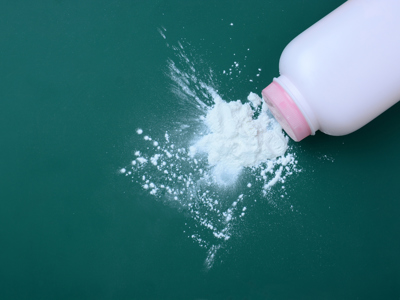
The issue lies with talc, a naturally occurring mineral used in many cosmetic products because it absorbs moisture, improves texture and helps products glide smoothly onto the skin.
Talc and asbestos are formed under similar geological conditions and are often found in close proximity underground. During talc mining, asbestos fibres can become mixed with talc deposits creating a risk that microscopic asbestos fibres are included in the finished product.
Unlike an ingredient intentionally added to a product, asbestos contamination occurs naturally during the mining process. People are alleging in legal claims that many well-known brands have not taken the necessary measures to ensure that their products are safe for their consumers.
Which cosmetic products may contain talc?
Not every cosmetic contains talc, but it has traditionally been a common ingredient in products such as:
-
Face powder
-
Setting powder
-
Blusher
-
Bronzer
-
Eyeshadow
-
Contour palettes
-
Baby powder
-
Some dry shampoos
-
Foot powders
This list is not exhaustive.
How can asbestos exposure occur?
The greatest concern is inhalation.
Applying loose powder can release fine particles into the air. If asbestos fibres are present, they may be inhaled deep into the lungs. Whilst our bodies can remove many substances, due to the structural strength of asbestos fibres, they can remain in the lung tissue for decades.
Is asbestos in cosmetics a risk in the UK?
The UK has strict regulations governing cosmetic safety, and asbestos has been prohibited since 1999.
However, today's marketplace is increasingly global. Many cosmetics are purchased online through international retailers or third-party marketplaces. Consumers may not always know where products have been manufactured or whether they meet UK safety standards, which highlights why consumers should remain informed and vigilant when purchasing products.
What health risks are linked to asbestos exposure?
One of the most concerning aspects of asbestos exposure is that diseases often take decades to develop. Mesothelioma, an aggressive cancer caused by asbestos exposure, typically develops many years after someone first inhales asbestos fibres. There is currently no cure.
Although occupational exposure remains the most common cause of asbestos disease in England, lawyers are increasingly contacted about exposure occurring in other settings, including through consumer products. Every potential source of exposure deserves careful investigation. In recent years, statistics show an increase in women being diagnosed with asbestos related diseases such as mesothelioma and many have started to look for explanations as to why women are appearing to be increasingly affected.
Could you bring a legal claim for asbestos contaminated cosmetics?
Each case depends on its own facts. Unlike traditional asbestos claims in England which tend to focus on exposure at work, or in industrial settings, the courts in England have not yet considered cases for consumers with illnesses allegedly linked to asbestos-contaminated talc products.
As a result, many British claimants have instead pursued legal action in the United States, where the manufacturers are based or where the products were developed, manufactured or marketed. Whether a claim can proceed in the US depends on the individual circumstances of the case, including the connection between the claimant's exposure and the United States.
Why raising awareness matters
Greater awareness encourages stronger regulation, better testing and increased consumer confidence that the products people use every day are safe.
As lawyers representing individuals affected by asbestos-related disease, we have seen first-hand the devastating impact these illnesses can have on individuals and their families. While every asbestos exposure case is different, ensuring that businesses place safety first remains essential.
What should consumers do if they are concerned?
If you are worried about a cosmetic product, there are some practical steps you can take:
-
Stop using the product until you have more information.
-
Keep the product and any packaging if you believe it may be relevant.
-
Check whether the product has been subject to a safety recall.
-
Seek medical advice if you have concerns about your health.
If you or a loved one has been diagnosed with an asbestos-related disease and believe exposure to asbestos may have occurred through cosmetic products or another unexpected source, our specialist asbestos team can advise you on your legal options.

Zara Brown
Hannah Fletcher: exposing asbestos in cosmetics and talc
Hannah Fletcher was diagnosed with peritoneal mesothelioma at the age of 41. This is a cancer caused by asbestos exposure.