

Land officially designated as contaminated in Thornton Cleveleys
Lawyers representing families affected by potential soil contamination in Thornton Cleveleys have issued a statement after Wyre Council voted to officially designate two local garden allotments as ‘contaminated’.
Posted on 23 October 2026
The vote to designate the allotments in Occupation Road and Sandringham Avenue as contaminated was taken during a meeting of councillors on 22 October 2026 and followed an investigation that Wyre Council had run jointly with the Environment Agency.
The allotments have been subject to a ‘contaminated land’ recommendation by the Environment Agency (EA) since March 2026.
“It is good to see that Wyre Council has finally acted upon the Environment Agency's recommendations, albeit there has been no explanation for the delays. We note that the council is now rightly prioritising liability and remediation assessments. It will be important that residents are kept updated on this and that we finally begin to see substantive remediation in the town. Residents deserve better than delays and buck-passing.”
The EA tested the allotments during their investigation and found alarming quantities of PFOA present in the land and in produce grown in the soil. This was above the recommended limit for use as an allotment – a reason the council have given for the ‘contaminated’ designation. PFOA is a type of PFAS – a ‘forever chemical’.
What are PFAS?
PFAS, or per- and polyfluoroalkyl substances, are a group of synthetic chemicals often referred to as "forever chemicals". They can remain in our water, soil and air for decades.
One of the most concerning PFAS compounds is Perfluorooctanoic Acid (PFOA), which does not break down naturally in the environment and has been classified by the World Health Organization as a carcinogen. Exposure to PFOA has been linked to serious health risks. Because it does not easily break down, contamination can affect communities for many years.
What has happened in Thornton Cleveleys so far?
The Environment Agency and Wyre Council have been investigating PFAS contamination in Thornton Cleveleys since July 2024.
The AGC Chemicals site at Hillhouse Enterprise Zone, formerly operated by ICI, is at the centre of this investigation. It is estimated that around 178 tonnes of PFOA have been released from the site since the 1950s.
The council took the decision to close the allotments in March 2026 following the investigation by the Environment Agency.
What is a Part IIA Designation?
The legal process for classifying land as ‘contaminated’ can be found is in Part IIA of the Environment Protection Act 1990 (Part IIA).
To be considered as ‘contaminated’ the land needs to be in such a condition, such that significant harm is being caused or there is a significant possibility of such harm being caused.
‘Harm’ in this case can mean harm to the health of humans and other living organisms or harm to property.
If land meets these criteria, then a Part IIA notice will be issued by the local authority – as has been done here in relation to the allotments.
Why has the council designated the allotments as contaminated?
The council points to ‘detailed technical assessments’ carried out by the EA, the UK Health Security Agency (UKHSA), and the Food Standards Agency (FSA) as evidence supporting the designation of the allotments.
They also point to the PFOA readings obtained by the EA as supporting evidence – as noted in the Phase 1 and 2 reports.
In October 2024, the FSA advised residents to wash fruit and vegetables before consuming to remove soil and dust. This advice has not yet changed in relation to produce grown in the allotments or in Thornton Cleveleys more generally.
The FSA have also advised residents not to consume eggs from within 1km of the AGC factory.
What happens next?
Wyre Council says the official designation allows them to move on to the next stage of the legal process, which they say is:
“to assess liability for the contamination and to carry out discussions with the identified party to secure the remediation needed to bring the allotments back into use”.
The council says it will now carry out that liability assessment to identify the person(s) or organisation(s) that might be responsible for the contamination.
The council says it will then begin the consultation process with any parties that could potentially be liable for a minimum of three months before considering proposals for voluntary remediation and deciding whether any formal enforcement action is needed.
What is Leigh Day doing?
Leigh Day is continuing to develop a prospective case. Sarah Moore’s team will continue to push for wider biomonitoring to be implemented, as well as for reform of the contaminated land designation and quicker intervention from governmental bodies once a problem is identified, both at a local and national level.
Leigh Day will be setting up a further community meeting with all residents and experts towards the end of 2026.
Dr David Megson, who interpreted the results of the PFAS blood testing in Thornton Cleveleys, and Professor Tony Fletcher, who presented at the last community meeting in Thornton Cleveleys, and was a scientific consultant on the Jersey Report, during the autumn of 2026, will attend the meeting.
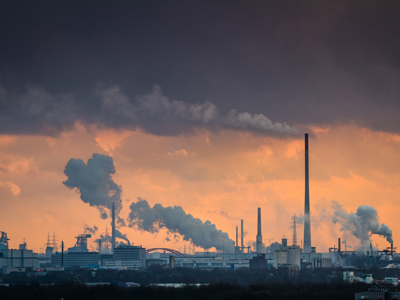
Testing reveals significant levels of PFAS chemicals in Thornton Cleveleys residents' blood
Blood testing on residents of Thornton Cleveleys living near a large chemical factory has revealed increased levels of PFOA in their blood. If you live in the area, or believe you may have been impacted by PFAS exposure, and would like to speak to our team about the investigation, you can get in touch.

Seven homes identified as “high risk” due to PFAS contaminated soil in Thornton-Cleveleys
Investigations into the presence of ‘forever chemicals’ PFAS in soil near an industrial site in Thornton-Cleveleys, Lancashire, has identified seven nearby homes as “high risk”.

Sarah Moore
Leading environment and product safety lawyer