


Maternity care awareness is growing and so are the questions families are asking
Helen Stanley, Leigh Day's registered midwife and Medical Negligence Triage Team Manager, reflects on the maternity care enquiries her team receives every day and why more families than ever are finding the courage to reach out.
Posted on 12 June 2026
"When someone calls us, they're often already carrying so much"
Helen Stanley, the midwife who leads Leigh Day's medical negligence enquiry team, talks about the maternity care enquiries her team receives every day — from birth injuries to questions about care during pregnancy and labour — and why more people than ever are finding the courage to reach out.
Q: Can you tell us a little about your role at Leigh Day?
A: My team sits right at the front door of Leigh Day's medical negligence enquiry work. When someone contacts us with a concern about their maternity care, one of us is often the first person they speak to. We have qualified midwives on the team, so we bring both clinical knowledge and, I hope, a genuine understanding of what people have been through. Our job is to listen carefully, understand what happened, and then work out whether we may be able to help them — legally and practically.
It's a role I feel very strongly about. These aren't just case enquiries; they're people at a difficult and often emotional point in their lives, and how we respond in those first moments matters enormously.
Q: What can someone expect when they first get in touch with you?
A: The first thing I'd want them to know is that there's no pressure. That initial call or message is simply a conversation — nothing more.
What I try to do is create a space where people feel comfortable enough to tell me what happened, at their own pace and in their own words. I'm not looking for perfectly recalled timelines or medical terminology. I just want to understand their experience. From there, I can ask some gentle questions and give them an honest sense of whether their concerns might be something our team can look into further.
For many people, that first conversation is the hardest step. Once they've taken it, most tell me they feel relieved — whether or not they decide to go further.
Q: What are you seeing at the moment when it comes to maternal health enquiries?
A: Enquiries have been growing steadily, and what strikes me most is the shift in how people are approaching us. Many people who contact us now come with a clearer sense that something may have gone wrong and that they may have options. That wasn't always the case.
There's a growing confidence — a willingness to ask questions, to seek answers, and yes, to pursue justice when care has genuinely fallen short. People are less likely now to simply accept what they were told at the time and more likely to want to understand whether what happened to them was avoidable.
That can only be a good thing. Nobody should feel that raising a concern about their care is somehow disloyal or futile. When something goes wrong during pregnancy or birth, families deserve honest answers — and where negligence has caused harm, they deserve support in seeking accountability.
Q: What impact is the current media and public conversation around maternity care having on the people who contact you?
A: It's significant, and I think largely positive. Maternity care is now being talked about openly — in the news, in parliament, in documentary programmes and across social media — in a way it simply wasn't a few years ago. People are hearing that concerns about NHS maternity services are widespread, that independent reviews and investigations have taken place, and that families in similar situations to their own have felt empowered to speak out.
I believe — cautiously — that this increased awareness is helping to empower people to seek support. The conversations we're having now are different. People arrive having already read something, heard something, or connected with others through online communities. That means they often understand earlier that their experience might warrant a closer look.
What's particularly encouraging is that we're seeing people reach out sooner. Rather than sitting with unanswered questions for months or years, some are coming to us much earlier in that process. I think greater access to information is a real factor in that — people know more about their rights, they're less isolated in their experiences, and that seems to be giving them the confidence to take that first step.
Q: Is there anything you'd want someone to know before they pick up the phone?
A: Just this: you don't need to have everything figured out before you contact us. You don't need to know whether you have a claim, or understand the legal process, or even be certain that something went wrong. That's what my team and I are here to help you work through.
That initial conversation costs nothing and commits you to nothing. But for many of the families I speak with, it's the beginning of finally feeling heard.
Like many across the sector, we await the findings of the Ockenden review into maternity care at Nottingham University Hospitals NHS Trust, alongside the national independent investigation led by Baroness Amos. These reviews are expected to shed further light on the systemic issues affecting maternity services in England, and we hope they will mark a meaningful step towards the safe, compassionate care every family deserves. In the meantime, our team remains here to listen, to support, and to help families seek the answers they are entitled to.
Update 30.06.2026. Please find news items outlining the findings of the Ockenden Review here and the Baroness Amos investigation here.
See related content
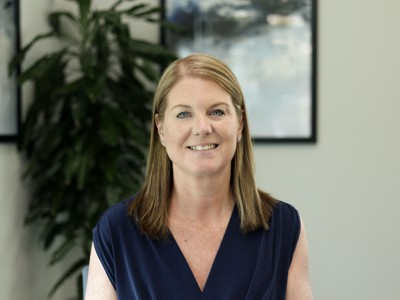
Helen Stanley
Qualified midwife Helen leads our new client enquiry team handling calls and enquiries from across the UK

Medical negligence
If you or a loved one have suffered medical negligence, we are here to provide expert and compassionate support, backed by over 35 years of experience.

I have been offered a birth debrief – what does this mean?
Helen Stanley, midwife, explains the process and how to get the best out of communication after traumatic birth, known as a birth or postnatal debrief, birth reflection or birth afterthoughts.