


Celebrity abusers: Wealth, power, and the absence of institutional accountability
The Russell Brand trial has highlighted many of the issues that survivors of sexual abuse face in seeking justice. One of these, crucially, is the absence of accountability among those industries and institutions that fire a celebrity’s ‘star power’.
Posted on 10 November 2026
As solicitors representing survivors of abuse connected with late Harrods owner Mohammed Al Fayed a prolific rapist and sex offender, this is an issue that we at Leigh Day see time and time again.
It is a stark and common thread that powerful and untouchable men are backed by institutions that not only fail to curtail their behaviour, but even facilitate an abuser’s access to vulnerable individuals, or will subsequently enforce silence. This is not down to one man alone.
Sexual abuse has long been a socialised, institutionalised form of violence and Brand is one of many influential figures who have integrated into systemic power dynamics that for years have enabled their offending and shielded them from scrutiny.
Brand used his celebrity status as a conduit to meeting women. He used public and professional settings, from MTV to Channel 4, to meet the women he assaulted, in multiple instances, in plain sight of others. For decades, he brought wealth and financial opportunity to an industry that was willing to look the other way as long as the numbers kept coming in.
“Your status protected you,” said Mr Justice Bennathan.
Now it has emerged that Brand’s fellow comedian David Walliams has been accused by multiple women of using his power and celebrity status for sex, allegedly through television show Britain’s Got Talent (BGT) and at his former children’s book publisher HarperCollins which severed ties with the writer in 2025.
‘Why did they not report sooner?’, was the question at Brand’s trial. Setting aside the obvious attempt to cast blame on survivors, there is something more to this question with a celebrity defendant like Brand. To take on a Weinstein, a Cosby, a Brand, you are not only having to face your abuser, a prospect which many survivors take decades to come to terms with, but you are facing a defendant, and an industry at large, which can drown you in PR campaigns and legal fees, end your career, or, as in the case of Al Fayed, force you to sign a non-disclosure agreement.
There are many aspects of our legal system that will face a reckoning, as survivors find a voice to speak out. Perhaps one of these is the sheer absence of criminal liability when it comes to institutions that utterly fail to prevent or protect individuals from serious sexual abuse. There is an onus on corporations when it comes to reporting financial crime, or bribery, but what about sexual abuse?
What if an organisation knows it is happening, and does nothing? Unless there is evidence of an active cover up or assisting in an offence, criminal sanction is left to the perpetrator alone. What we must ask ourselves is, as hard as this system can be for survivors, would it be different if they knew that the organisations had a positive obligation to report sexual offences?
Not just at the risk of civil sanctions, but where the driving minds of an organisation could face criminal charges for any failure? Or is it better that for now, there is no crime in seeing Brand’s “laddish” behaviour and deciding, on balance, it is better for the organisation that the show must go on.
All too often, there is little accountability beyond that of the perpetrator, whilst the industries and organisations that have propped them up seem to avoid any measure justice. Survivors have a choice about whether to engage in criminal proceedings, but that cannot excuse institutions from overlooking criminal behaviour which happens on their watch.
In the case of Al Fayed, we have supported survivors for over a year in calling for a public inquiry for seeking answers as to how they were sucked into a web of abuse, trafficking and cover up. Yet beyond criticism in the court of public opinion, little has happened.
Accountability needs to go beyond Fayed and Brand, to the organisations that saw what is happening and sat back.
If civil liability is not enough, we have to ask ourselves whether it is time for a greater onus to lie on the institutions that rake in their revenue before closing ranks over their celebrity icons.
Compensation for survivors is vital, but it is all too often wholly insufficient to force industry-level change. Perhaps it is time that a greater burden is placed upon organisations should they wish to avoid time in the criminal dock.

Georgia Rycroft
Georgia is an associate solicitor in the international and group litigation team, specialising in litigation arising from human rights abuses and environmental damage involving multinational corporations.
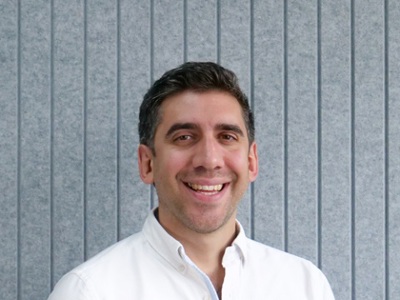
Dino Nocivelli
Dino is an experienced child sexual abuse claims lawyer. He is also a member of the Association of Child Abuse Lawyers and an ambassador for The Survivors Trust, Kyniska Advocacy, Seen & Heard, and Revival – Wiltshire RASAC.

Commission for the Future of Counselling and Psychotherapy calls for regulation
The Commission for the Future of Counselling and Psychotherapy is calling for statutory regulation of the therapy industry.