
2012 News
12 of 34 items displayed
DNR was placed on patient 'without prior consultation'
Lawyers for the family of Janet Tracey have welcomed the findings of a High Court hearing

Beko fire claims lawyer comments on latest tragedy
UK media reports that two men have died from carbon monoxide poisoning
Secret information 'found' one week before Afghan torture trial
The High Court today heard that 'secret information' had come to light; a week before the court is due to consider whether the ban on handing over suspected Afghan insurgents by British forces to the Afghan authorities should remain in place.
Prisoners' lawyer slams Government proposals on prisoner voting as being “wholly inadequate”
A lawyer representing more than 550 prisoners pursuing compensation from the Government called the Government's proposals on prisoner voting 'wholly inadequate' and likely to be extremely costly
Construction worker killed when scaffolding collapsed in Putney
Two construction workers injured in fatal scaffold collapse incident
Doctors are failing to examine some women with breast cancer symptoms
Maria Panteli, specialist cancer claims solicitor, comments on latest reports of negligence by doctors
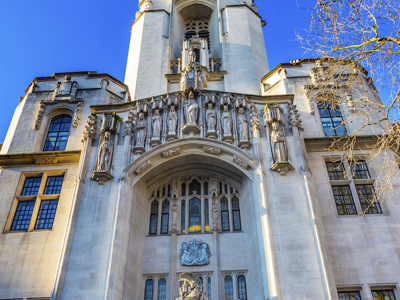
Supreme Court hands down landmark judgment allowing equal pay claims in the civil courts
Equal pay claims can now be heard in the civil courts as well as in employment tribunals
Is this the end of limitation periods in human rights and torture cases
Daniel Leader article published on Lexis PSL
Successful Statement Appeal secures right to residential special school waking day curriculum for client with complex special educational needs
Education lawyers successfully secure change in SEN statement
Unmonitored vulnerable woman fell from hospital bed
Mrs Raine lost her independence and had to move into a care home after falling in hospital